When Replacement Timing Becomes a Budget Strategy: How Bellevue Reserve Study Firms Assess Asset Lifecycles
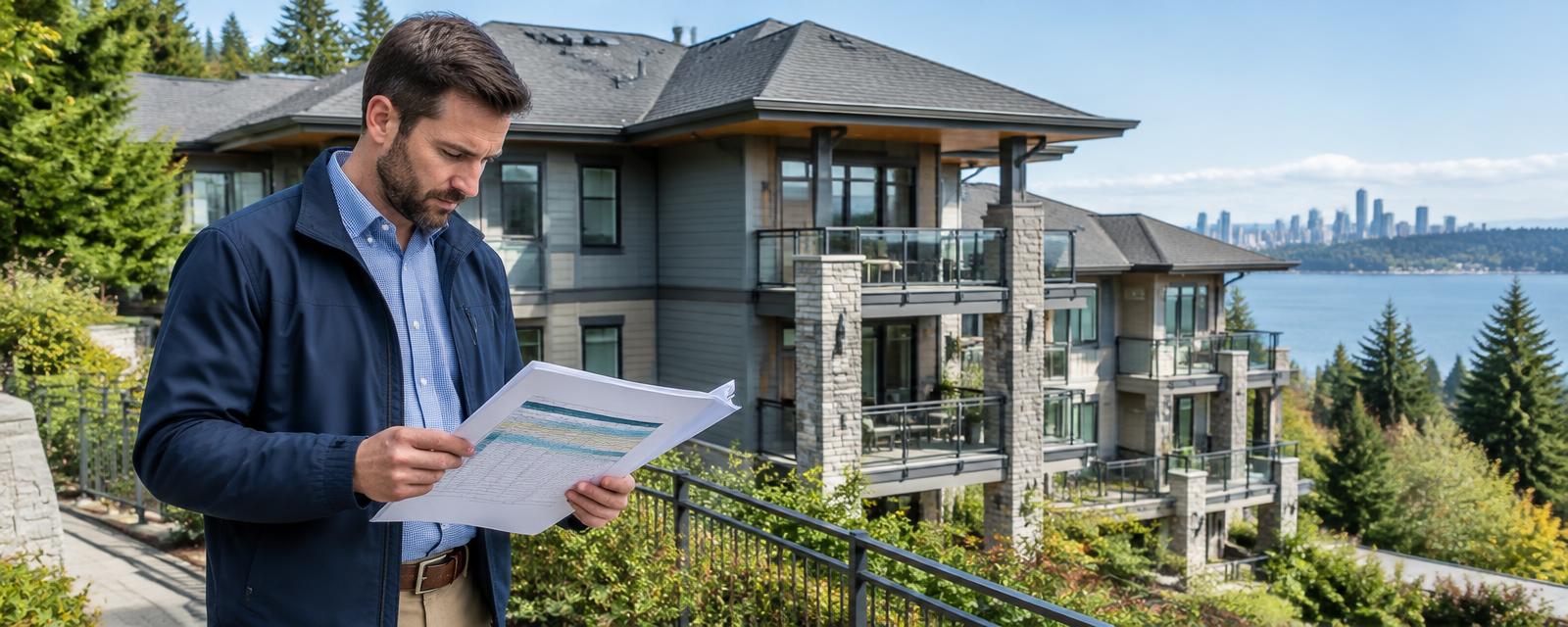
Replacement timing is often treated as a maintenance issue, but for community associations and property owners, it is equally a budgeting decision. Every major building component has a useful life, and determining when that component should be repaired, renewed, or replaced can significantly influence long term financial planning. A reserve study provides a structured way to evaluate these decisions by examining the current condition, expected remaining life, and future replacement costs of shared assets. Rather than waiting for a component to fail, property managers and association boards can use lifecycle information to anticipate major expenditures. This approach makes it easier to distribute costs across multiple budget cycles instead of facing a sudden and potentially disruptive financial obligation. Our approach at Bach Associates focuses on helping clients understand how asset lifecycles connect directly to practical reserve funding decisions.
Why Asset Lifecycles Matter to Reserve Planning
A building component does not necessarily need replacement simply because it has reached its commonly stated service life. Actual performance can vary based on installation quality, materials, weather exposure, maintenance practices, usage, and environmental conditions. For example, roofing systems, siding, pavement, mechanical equipment, and exterior finishes can all experience different rates of deterioration depending on their circumstances. A reserve study considers these variables when estimating how much useful life remains in a component. This creates a more realistic financial projection than relying exclusively on generic manufacturer expectations or standard replacement intervals. By understanding the lifecycle of each major asset, an association can make better decisions about when money should be accumulated and when capital work may realistically be required.
Moving Beyond Fixed Replacement Dates
One of the most important aspects of professional reserve planning is recognizing that replacement dates are estimates rather than guarantees. A roof projected to last twenty years may require attention earlier if it has experienced unusual weather exposure or deferred maintenance. Conversely, a well maintained component may continue performing beyond its original projected service period. Bellevue reserve study firms evaluate these conditions to develop more informed lifecycle projections. This allows the reserve funding plan to respond to actual asset conditions rather than following an inflexible calendar. The result is a budget strategy that can accommodate changing circumstances while still preparing the association for substantial future expenditures.
Evaluating the Current Condition of Major Components
Condition assessment is central to determining when replacement should become part of the financial plan. During a reserve study, major common-area components are evaluated based on their apparent condition, age, maintenance history, and expected performance. Items such as roofing, decks, siding, windows, pavement, fences, elevators, boilers, and other building systems can each present different lifecycle considerations. The condition of an asset can influence both its estimated remaining useful life and the urgency of future funding requirements. An asset showing advanced deterioration may require accelerated financial preparation even when its original replacement date is several years away. A clear understanding of present condition gives boards and property managers stronger information for prioritizing future capital needs.
The Relationship Between Maintenance and Replacement
Effective maintenance can influence the timing and cost of eventual replacement, making it an important factor in reserve planning. Routine inspections, preventive maintenance, cleaning, repairs, and timely interventions may extend the useful life of many building components. However, maintenance cannot indefinitely prevent deterioration or eliminate the need for capital replacement. A reserve study therefore distinguishes between ordinary operating expenses and significant future capital expenditures. This distinction helps associations avoid using reserve funds for expenses that should instead be included in the annual operating budget. It also helps demonstrate how consistent maintenance can potentially shift replacement requirements further into the future and improve the efficiency of long term financial planning.
Using Lifecycle Data to Forecast Future Costs
Replacement timing becomes especially important when several major components are expected to reach the end of their useful lives within the same period. Without careful planning, an association could encounter multiple large expenses in a single budget year. A reserve study maps anticipated capital expenditures over time so decision makers can identify periods of increased financial pressure. Estimated replacement costs are then incorporated into a funding strategy designed to prepare for those future obligations. This process transforms lifecycle information into actionable financial projections. Instead of simply knowing that a component will eventually need replacement, the association gains a clearer understanding of when funding may be needed and how that requirement could affect future budgets.
Why Timing Can Influence Total Project Cost
The timing of a replacement project can influence more than the reserve account balance. Delaying necessary work for too long may allow deterioration to progress, potentially increasing the scope and cost of the eventual project. At the same time, replacing an asset prematurely can mean spending capital before the component has delivered its full practical service value. Reserve planning seeks to identify a reasonable replacement window that considers condition, expected remaining life, maintenance requirements, and projected costs. This creates a balance between avoiding premature expenditure and preventing expensive deterioration. Proper lifecycle analysis can therefore support both financial efficiency and responsible property stewardship.
Accounting for Inflation and Future Construction Costs
A reserve study must also consider that the cost of replacing an asset in the future may differ considerably from its cost today. Labor, materials, transportation, permitting, equipment, and contractor pricing can all change over time. Inflation assumptions help translate current replacement estimates into future financial requirements. This is particularly important for long lived components because even modest annual cost increases can have a substantial effect over a decade or more. A reserve funding plan that ignores future cost escalation may leave an association underprepared when major projects arrive. Incorporating reasonable cost projections allows future budgets to better reflect the financial reality of anticipated capital work.
Creating a More Predictable Funding Strategy
The ultimate objective of lifecycle analysis is not simply to produce a list of aging assets. It is to create a funding strategy that makes future capital obligations more predictable. Associations can use projected replacement schedules to determine whether current reserve contributions are sufficient for anticipated expenditures. If a funding gap is identified early, the association has more time to consider adjustments rather than reacting to an emergency. Contributions may be gradually increased, project timing may be reassessed, or other financial strategies may be considered based on the circumstances of the community. This forward looking approach can make reserve planning a practical component of responsible financial management.
Managing Multiple Assets With Different Lifecycles
A property contains numerous components, and each one follows its own deterioration pattern. A roof may have a relatively predictable service period, while exterior paint, asphalt, mechanical systems, fencing, and deck structures may require more condition based assessment. Some components may also undergo partial repairs before full replacement becomes necessary. A comprehensive reserve study brings these individual lifecycles together into one financial model. This allows decision makers to see how separate replacement schedules interact with one another across future years. Understanding the combined lifecycle profile of the property can prevent one asset from being considered in isolation while broader budget pressures are overlooked.
Adapting Reserve Plans as Conditions Change
Reserve planning should not be viewed as a document that remains unchanged for the entire life of a property. Building conditions evolve, project costs change, repairs are completed, and replacement priorities can shift. Updating reserve information allows associations to compare original projections with actual property performance. If a major component is performing better than expected, its projected replacement date may be adjusted accordingly. If unexpected deterioration occurs, the financial plan may need to account for earlier intervention. Regular review keeps the reserve strategy aligned with the property's actual condition and the association's evolving financial responsibilities.
Turning Asset Knowledge Into Better Board Decisions
Association boards frequently have to make difficult decisions about maintenance, capital projects, assessments, and reserve contributions. Clear lifecycle information gives board members a stronger foundation for evaluating these choices. Rather than relying solely on assumptions or short term budget pressures, they can consider the expected financial consequences of different replacement timelines. A reserve study can also help explain why maintaining adequate reserves is important even when a major project appears several years away. When future obligations are visible, financial decisions can be made with greater confidence and transparency. Our work helps connect technical asset information with the financial considerations that boards and property managers must address.
The Long Term Value of Proactive Reserve Planning
Proactive reserve planning provides a way to turn uncertainty about future building expenses into a structured financial strategy. By examining asset condition, remaining useful life, replacement costs, inflation, maintenance practices, and projected funding needs, associations can develop a clearer picture of their long term obligations. Bellevue communities benefit when capital planning is approached before an asset reaches a critical stage of deterioration. The goal is not necessarily to replace every component as soon as it reaches a predetermined age, but to identify an appropriate window that balances condition, performance, risk, and affordability. This approach can reduce the likelihood of unexpected financial shocks while supporting the continued functionality and value of the property. Bach Associates helps clients use reserve study information as a practical planning resource, allowing lifecycle analysis to become an important part of informed budgeting and long term asset management.
Need Professional Guidance?
Bach Associates provides expert reserve study and construction management services for Washington associations.