From Inspection to Reserve Planning: Building a Complete Long-Term Strategy
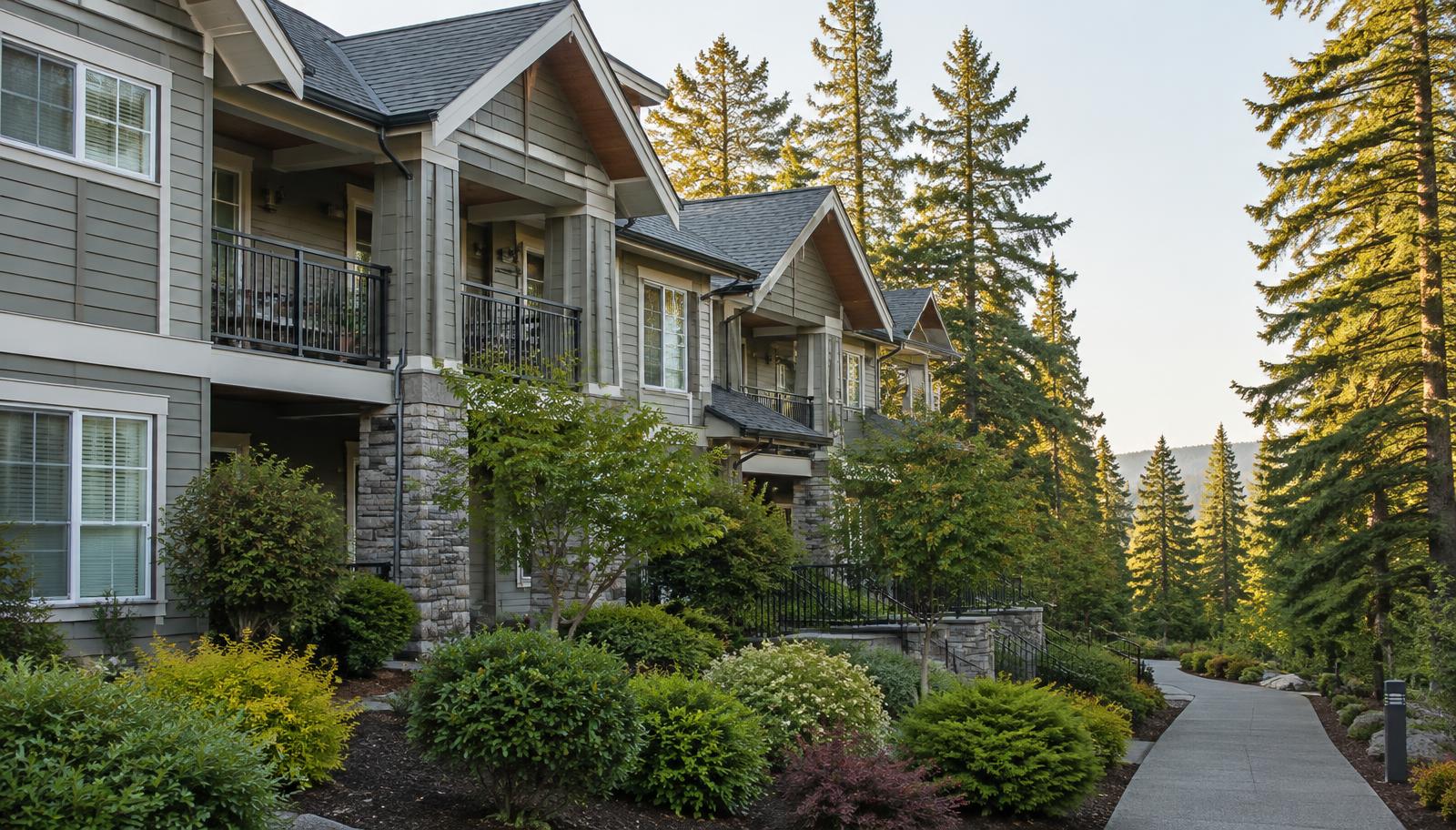
Condominium and HOA communities in Washington maintain buildings, infrastructure, and shared systems that all age on their own schedule. A successful long-term strategy requires more than responding to visible problems as they appear.
It requires a structured understanding of current conditions, anticipated future needs, and the financial resources necessary to address them. That is where inspections and reserve planning become closely connected parts of effective community management.
Why Long-Term Planning Matters
The financial consequences of deferred maintenance become significant when planning is inconsistent. Boards that work only from the current budget cycle tend to discover major obligations after the options have narrowed.
When boards take a proactive approach, they are better positioned to protect property values, reduce financial surprises, and make informed decisions well before a component fails.
Start With a Thorough Understanding of Existing Conditions
Every effective strategy begins with a detailed evaluation of the community's current physical condition. Roofing systems, exterior surfaces, balconies, parking areas, mechanical equipment, plumbing, and electrical infrastructure all have different life expectancies.
Without a professional assessment, it is difficult to determine which components are genuinely nearing the end of their useful lives. An inspection converts assumptions into documented information and establishes a reliable baseline for planning.
Connect Inspection Findings With Future Capital Needs
An inspection should not sit in a binder after a single review. Each identified component has a condition, an expected remaining useful life, and an anticipated repair or replacement cost.
Evaluated together, those factors bridge engineering observation and financial strategy. Instead of knowing only what may eventually need attention, boards can estimate when work is likely and how much funding should be available.
The Role of Reserve Studies in Financial Preparedness
Operating budgets generally address routine expenses, while reserve funds support larger capital projects that occur over longer periods. A properly developed reserve study examines common components, estimates future expenditures, and evaluates whether current funding is sufficient.
Without adequate reserve planning, communities end up relying on special assessments or sudden dues increases when significant projects become unavoidable.
Look Beyond Immediate Maintenance Concerns
Urgent repairs must be addressed, but long-term health depends on looking well past the current budget year. Major components deteriorate gradually without creating an emergency, and delayed financial preparation makes eventual replacement far harder to manage.
A lifecycle perspective also creates opportunities to coordinate projects when several systems require work within a similar timeframe.
Set Priorities Based on Risk and Remaining Useful Life
Not every repair carries the same urgency. Some components have years of useful life remaining, while others pose safety concerns or expose the community to significant damage if they fail.
Condition, performance, consequences of failure, and estimated replacement cost should all inform sequencing. Clear priorities also help boards explain the reasoning behind major decisions to owners.
Use Accurate Cost Projections
Realistic projections require attention to current construction costs, labor rates, material pricing, inflation, and the anticipated timing of each project. An outdated estimate creates a false sense of security.
For that reason, reserve planning should be reviewed and updated periodically rather than treated as a permanent document.
Coordinate Maintenance, Repairs, and Capital Improvements
Regular maintenance can extend the useful life of many components and protect the community's investment, but it cannot eliminate the eventual need for replacement.
A well-maintained roof performs differently from a neglected one installed the same year. Coordinating maintenance with capital planning produces a more complete lifecycle strategy and more efficient use of available resources.
Improve Communication Between Boards and Owners
Boards see inspection reports and reserve studies; owners often see only assessment changes and project announcements. Clear communication closes that gap.
When owners understand that reserve contributions are tied to documented future needs, proactive funding becomes easier to support and long-term planning starts to look like shared responsibility rather than an unexpected burden.
Review and Update the Strategy Regularly
Properties change, components age, and construction costs move. Regular reviews let communities compare prior assumptions against actual conditions and adjust.
New findings may reveal accelerated deterioration, while a strong maintenance program may extend the life of certain assets. Revisiting both physical and financial information turns a static report into a working management tool.
Reduce the Risk of Special Assessments
No strategy eliminates every unforeseen event, but understanding likely future expenditures allows a community to prepare for predictable capital needs.
Proactive planning surfaces funding gaps early enough to make gradual adjustments, and gives boards flexibility over the timing and scope of major projects instead of forcing emergency assessments or borrowing.
Building a More Sustainable Future
Communities that understand their physical assets and prepare financially for future needs make better strategic decisions. Rather than treating inspections, maintenance, and reserve funding as separate responsibilities, successful associations bring them into one coordinated strategy.
Bach Associates connects condition assessments with reserve planning so boards can move from reactive problem solving to confident long-term stewardship. Request a proposal to get started.