How Reserve Studies Reveal Financial Risks Years Before Major Components Fail
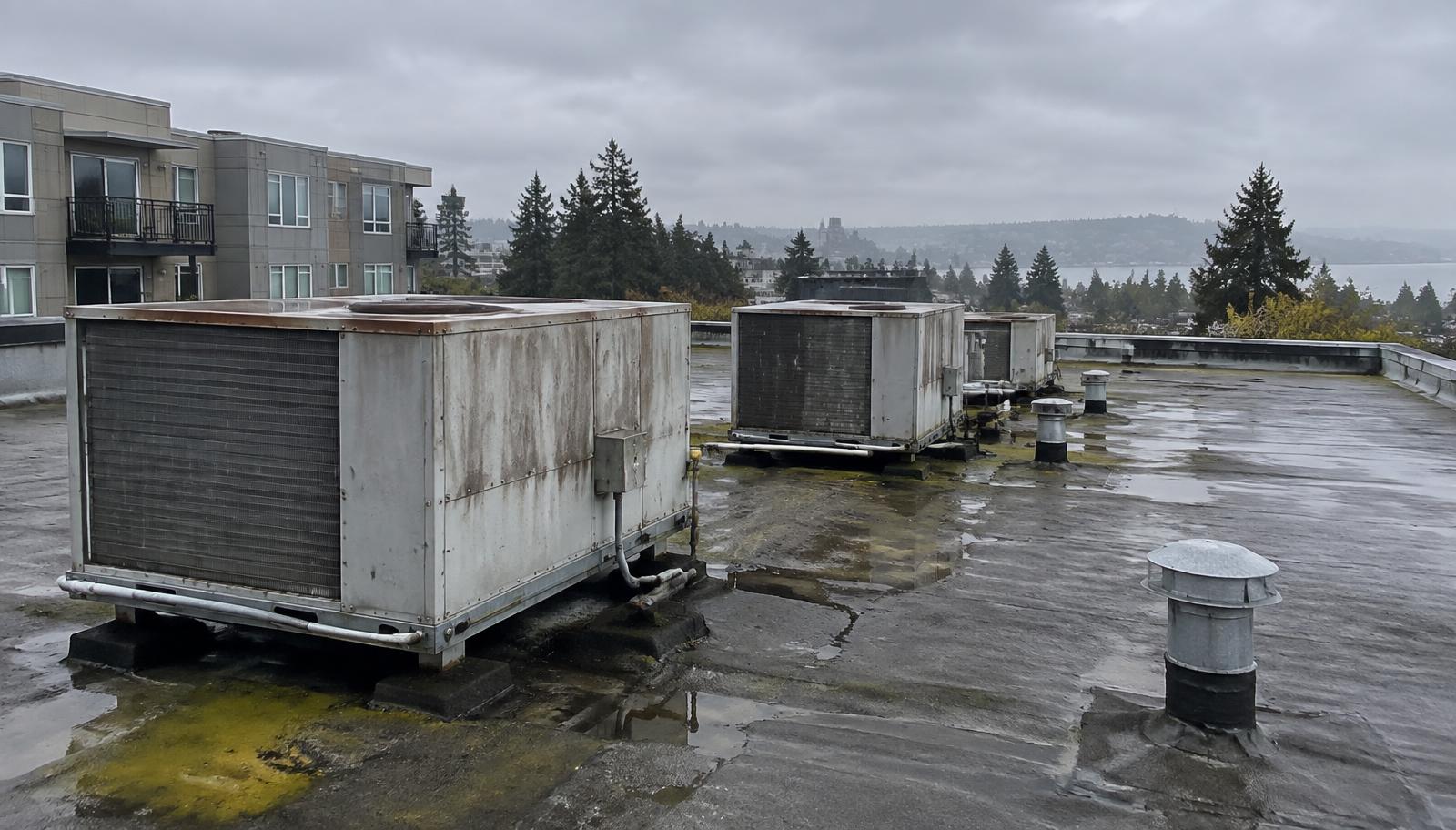
A reserve study is often viewed simply as a financial planning document, but its value extends well beyond estimating future replacement costs. It provides associations and building managers with a structured understanding of how physical assets are expected to age.
By examining major components and estimating remaining useful lives, a reserve study can identify financial vulnerabilities long before an actual failure occurs — while there is still time to respond strategically.
Aging Components Create Hidden Financial Exposure
Every building contains components that deteriorate gradually, even without obvious signs of imminent failure. Roofing, windows, plumbing, heating equipment, electrical systems, exterior cladding, and parking structures all have finite service lives.
Risk begins when owners assume a component is performing adequately simply because it has not yet failed. A study compares projected replacement timelines against available resources and reveals where obligations overlap.
Forecasting Identifies Future Funding Gaps
A community can appear financially healthy today while carrying substantial long-term liabilities that never show on a balance sheet. Reserves may cover current maintenance and still fall short of several large replacements scheduled within the next decade.
A comprehensive study builds a timeline of anticipated expenses and estimates how contributions should evolve, so shortfalls surface years before they turn into special assessments or deferred maintenance.
Inflation Turns Manageable Projects Into Major Problems
Construction costs rarely stay static. A project that looks affordable at today's pricing may cost substantially more by the time replacement is actually required.
Reserve studies account for cost escalation, which matters most for large projects involving specialized materials, skilled labor, engineering services, or extensive structural work. When inflation is ignored, contributions stay too low for years and the deficiency compounds.
Clustered Failures Create a Dangerous Timeline
Capital needs rarely arrive one component at a time. In properties built or extensively renovated at once, several systems approach the end of their useful lives within a short window.
A roof replacement, elevator modernization, garage rehabilitation, and mechanical upgrade may all land inside five years. Individually manageable, together they can become a serious financial challenge if reserves were never structured for the convergence.
Deferred Maintenance Signals Larger Risks Ahead
Postponed maintenance accelerates deterioration and increases eventual project costs. Minor issues develop into larger capital problems, and the deferral often transfers expense into the future rather than saving money.
A study distinguishes immediate maintenance requirements from longer-term replacement obligations, making the real cost of postponement visible.
Better Long-Term Budgeting Decisions
Annual budgets focus on immediate operating expenses while major capital needs sit years away. That separation obscures how today's funding decisions shape tomorrow's condition.
A reserve study connects current practice to anticipated obligations, so contribution decisions can be evaluated across an extended timeframe rather than by what feels affordable this year.
Early Warning Creates Strategic Financing Options
Discovering a shortfall shortly before a project is required leaves limited and expensive options: emergency assessments, rapid contribution increases, or unplanned borrowing.
Identified years in advance, the same shortfall allows gradual reserve building, phased work, coordination with other projects, or timing that takes advantage of favorable market conditions. Time itself becomes a financial advantage.
Accurate Component Analysis Improves Risk Visibility
Financial projections are only as good as the physical assessment behind them. Estimating remaining useful life requires understanding construction methods, environmental exposure, maintenance history, observed condition, and expected performance.
One component may have reached a given age without being ready for replacement, while another deteriorates faster than generic lifecycle tables suggest. Professional analysis avoids relying on assumptions that do not fit the specific building.
Reserve Studies Protect Property Value
Poorly funded reserves and significant deferred capital needs make a community less attractive to buyers and lenders. Uncertainty itself becomes a financial risk when the true cost of ownership is unclear.
A current study provides transparency by identifying anticipated needs and demonstrating whether a realistic funding strategy exists.
Turning Long-Term Risks Into Actionable Decisions
The greatest benefit is not knowing what may fail, but having enough time to decide before failure creates a crisis. A well-prepared study turns uncertain future expenses into a structured timeline boards can review, discuss, and address systematically.
Bach Associates prepares WUCIOA-compliant reserve studies supported by current condition assessments. Request a proposal to see your community's funding timeline.