How Vancouver HOAs Can Build a More Predictable Long-Term Capital Repair Strategy
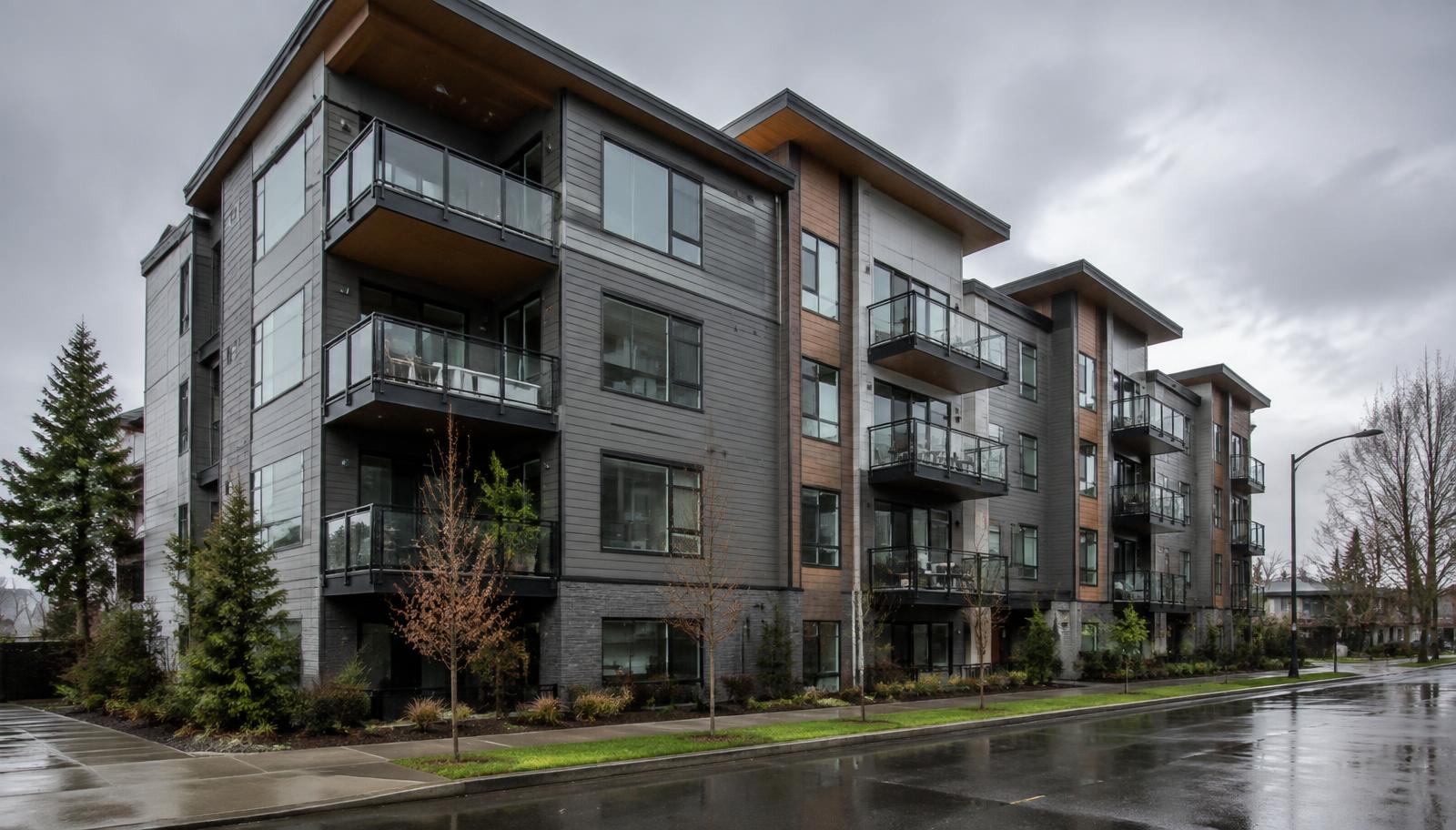
For homeowner associations in Vancouver, Washington, planning for major capital repairs is among the most important responsibilities involved in protecting a property's financial health and physical condition.
Roofing, cladding, windows, balconies, plumbing, elevators, and mechanical equipment all eventually require significant investment — and those expenses do not occur evenly from year to year.
Start With a Comprehensive Building Assessment
A reliable strategy begins with a detailed understanding of current condition: existing deficiencies, major component inventory, and remaining useful life for critical systems.
Southwest Washington's prolonged rainfall, moisture exposure, and temperature swings accelerate deterioration in certain materials. A comprehensive assessment provides the baseline that lets a board prioritize by urgency and risk rather than by historical budget habit.
Move Beyond Short-Term Maintenance Thinking
Maintenance extends the useful life of components, but it is not capital planning. Boards focused only on annual maintenance budgets postpone larger decisions until a major repair becomes unavoidable.
That pattern creates budget volatility, because large projects must then be funded within a compressed period.
Create a Realistic Capital Repair Timeline
Identify major components, estimate expected repair or replacement periods, and attach a likely cost to each. Treat the result as a living planning tool rather than a fixed calendar.
Projects should also be evaluated in relation to one another, since completing one repair often creates the opportunity to address an adjacent component efficiently.
Build Reserves Around Future Reality
An association may have a reserve fund whose balance bears little relationship to the true cost of future obligations. Construction costs, labor, materials, and regulatory requirements all move.
The regional construction market makes forecasting harder when many properties need similar specialized services at once. Reserve projections should be compared against updated cost estimates rather than carried forward unchanged.
Account for Construction Cost Inflation
A repair that appears affordable at today's pricing may cost considerably more several years out. Material availability, labor shortages, and supply chain conditions all affect pricing.
Incorporating realistic escalation assumptions provides a buffer when market conditions become unpredictable, and lets contribution strategies be adjusted before gaps become severe.
Prioritize by Risk and Consequence
Some components are near the end of their lifecycle but present limited immediate risk; others can cause significant damage or safety concerns if they fail.
Building envelope issues, water infiltration, structural concerns, and critical mechanical failures generally warrant more attention than primarily aesthetic work. A risk-based approach also gives boards a clearer rationale to share with owners.
Bring in Professional Expertise Early
Major projects involve technical, financial, and regulatory complexity. Waiting until the work becomes urgent limits the time available to evaluate options.
Early consultation with engineers, building envelope specialists, and reserve professionals helps identify hidden risks, compare repair alternatives, and develop realistic budgets before decisions are made under pressure.
Consider Phased Capital Projects
Not every major repair must be completed property-wide at once. Depending on conditions and technical requirements, phasing can spread costs across multiple years while still addressing the highest priorities first.
Phasing must be analyzed carefully, because delaying interconnected work can increase total cost. The question is whether staging creates efficiency or simply defers expense.
Improve Communication With Homeowners
Large expenditures create concern when residents receive little information about building condition or the reasoning behind financial decisions.
Regular communication about anticipated projects, reserve objectives, and the consequences of postponement helps owners prepare and reduces the perception that assessments appear without warning.
Use Data to Support Decisions
Maintenance records, inspection reports, repair costs, warranty information, and professional assessments all inform future requirements. Organized well, they reveal patterns invisible when projects are reviewed individually.
Recurring repairs in one system, for example, may indicate that replacement planning should begin earlier than originally expected.
Plan for Unexpected Events
Severe weather, hidden defects, and emergency repairs can disrupt even a detailed plan. Contingency allowances and reserve capacity let an association absorb those costs without abandoning scheduled work.
Boards should also define how priorities get reassessed when an unforeseen event occurs, so a temporary challenge does not become permanent instability.
Develop a Culture of Proactive Governance
Documented strategies, regular reviews, professional assessments, and transparent financial practices preserve institutional knowledge as board membership changes.
Bach Associates supports Vancouver-area associations with reserve studies, building inspections, and construction management that keep capital planning disciplined. Request a proposal to build a more predictable plan.