The Importance of Annual Building Inspections for Vancouver Condominiums
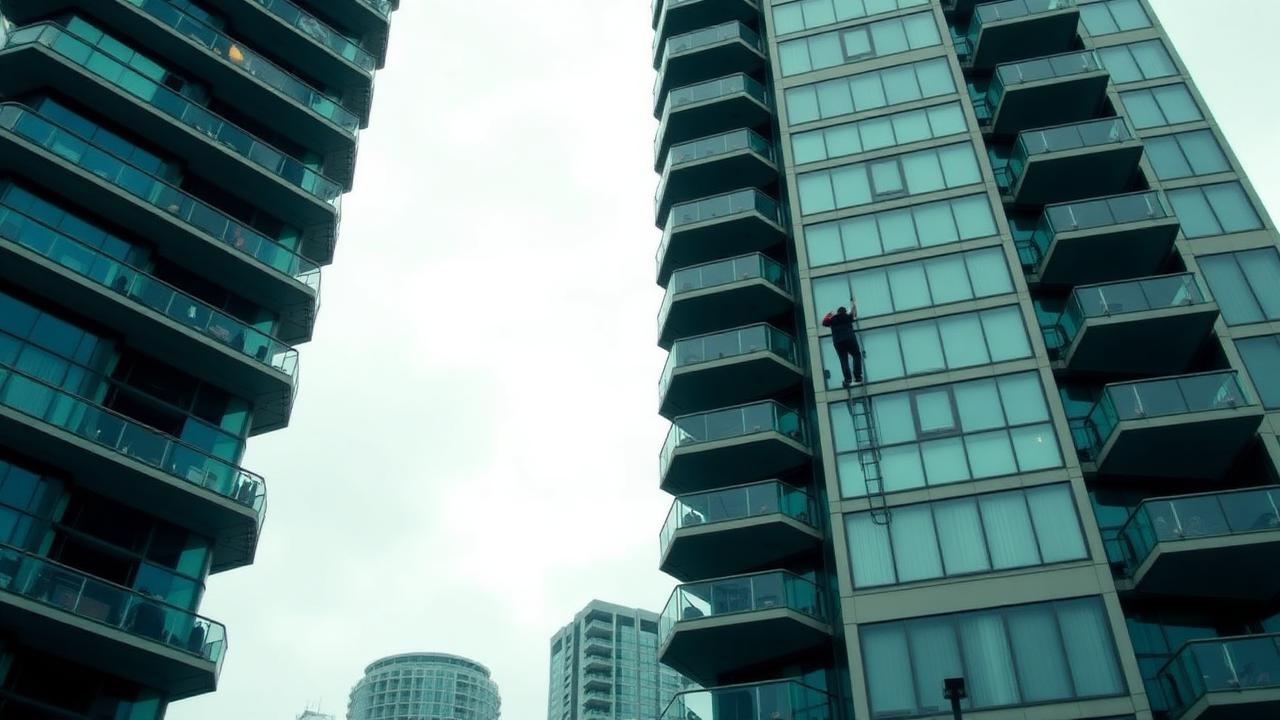
Condominium buildings are significant investments that require ongoing attention to remain safe, functional, and valuable. In a city like Vancouver, where weather conditions, aging infrastructure, and increasing regulatory requirements can affect building performance, annual building inspections play a critical role in protecting both property owners and residents. While many condominium boards focus on immediate maintenance concerns, a proactive inspection program helps identify potential issues before they become costly problems.
Annual building inspections provide valuable insight into the condition of a property and support informed decision making for maintenance planning, budgeting, and long term asset management. For condominium corporations, these inspections are an essential part of responsible building stewardship.
Understanding Annual Building Inspections
An annual building inspection is a comprehensive assessment of a condominium property's major components and systems. The purpose is to evaluate the overall condition of the building, identify deficiencies, assess risks, and recommend corrective actions.
Inspections typically include the building envelope, roofing systems, balconies, parking structures, mechanical systems, common areas, drainage systems, exterior finishes, and other critical components. Depending on the age and complexity of the building, specialized evaluations may also be recommended.
The information gathered during these inspections provides condominium boards and property managers with a clear understanding of current conditions and emerging concerns.
Early Detection Prevents Expensive Repairs
One of the most significant benefits of annual inspections is the ability to detect problems early. Small defects often develop gradually and may remain unnoticed until they cause extensive damage.
Water infiltration is a common example. Minor cracks in exterior cladding, deteriorated sealants around windows, or damaged roofing materials can allow moisture to enter the building envelope. Over time, this moisture can contribute to rot, corrosion, mold growth, and structural deterioration.
When issues are identified during routine inspections, repairs can often be completed quickly and at a relatively low cost. Waiting until visible damage appears frequently results in larger repair projects that require significantly greater financial investment.
Regular inspections allow condominium corporations to address concerns proactively rather than reactively.
Protecting Resident Safety
Safety is one of the primary responsibilities of any condominium corporation. Annual inspections help identify conditions that could pose risks to residents, visitors, and maintenance personnel.
Building components naturally deteriorate with age and exposure to environmental conditions. Railings may loosen, concrete may crack, walkways may settle, and building systems may experience wear. These issues can create hazards if they are not identified and corrected promptly.
Professional inspections help ensure that safety concerns are recognized before they result in accidents or injuries. This proactive approach contributes to a safer living environment for everyone who uses the property.
Supporting Effective Maintenance Planning
Successful condominium management depends on strategic maintenance planning. Annual inspections provide valuable data that can be used to develop realistic maintenance schedules and prioritize repairs.
Rather than relying on assumptions or emergency responses, condominium boards can make decisions based on documented building conditions. This allows maintenance activities to be scheduled at appropriate intervals and resources to be allocated efficiently.
A structured maintenance strategy often extends the lifespan of building components and reduces the likelihood of unexpected failures. It also helps property managers coordinate projects more effectively and minimize disruptions for residents.
Preserving Property Values
The condition of a condominium building has a direct impact on property values. Prospective buyers are increasingly aware of the importance of building maintenance and often review available inspection reports, reserve fund studies, and maintenance records before making purchasing decisions.
Buildings that demonstrate consistent maintenance and proactive management tend to attract greater buyer confidence. Conversely, properties with visible deterioration or unresolved maintenance concerns may experience reduced market appeal.
Annual inspections help condominium corporations maintain the physical condition of the property while demonstrating a commitment to responsible asset management. This can contribute to stronger property values and increased owner confidence over time.
Managing Vancouver's Unique Environmental Challenges
Vancouver's climate presents specific challenges for condominium buildings. Frequent rainfall, seasonal temperature fluctuations, coastal moisture, and environmental exposure can accelerate deterioration in certain building materials and systems.
Building envelopes are particularly vulnerable to moisture related issues. Even minor deficiencies can lead to significant water penetration if they are not identified and repaired promptly.
Annual inspections help property owners monitor the effects of environmental exposure and implement maintenance measures before conditions worsen. This ongoing monitoring is especially important for older buildings and properties located in areas with greater exposure to wind and rain.
Improving Budgeting and Financial Planning
Unexpected repairs can place considerable financial strain on condominium corporations and owners. Emergency projects often require special assessments or the use of reserve funds that were intended for other purposes.
Annual inspections provide a clearer understanding of current and future repair needs. This information helps condominium boards create more accurate budgets and plan for upcoming expenditures.
When building deficiencies are identified early, repair projects can often be scheduled strategically and incorporated into long term financial plans. This reduces the likelihood of sudden financial burdens and supports more stable reserve fund management.
Meeting Regulatory and Governance Responsibilities
Condominium boards have a responsibility to maintain common property and act in the best interests of owners. Routine inspections support these obligations by providing documented evidence that the property is being monitored and maintained appropriately.
Inspection reports create a record of building conditions and recommended actions. These records can be valuable when making maintenance decisions, prioritizing capital projects, and demonstrating due diligence.
By conducting annual inspections, condominium corporations show a commitment to responsible governance and proactive building management.
Extending the Lifespan of Building Components
Every building component has an expected service life. Roofs, cladding systems, windows, parking structures, mechanical equipment, and other assets gradually deteriorate over time.
Regular inspections help identify maintenance opportunities that can extend the useful life of these components. Simple repairs, preventive maintenance measures, and timely interventions often delay the need for full replacement.
Extending component lifespan can result in substantial cost savings while improving overall building performance. This approach supports long term sustainability and helps maximize the return on investment for condominium owners.
The Value of Professional Expertise
While property managers and maintenance staff play important roles in building operations, professional building inspections provide an independent and comprehensive assessment of property conditions.
Experienced consultants understand how various building systems interact and can identify subtle warning signs that may not be apparent during routine observations. Their recommendations help condominium boards make informed decisions based on technical expertise and objective analysis.
At Bach Associates, we understand the unique challenges faced by Vancouver condominium properties. Our inspection services help condominium corporations identify risks, prioritize maintenance needs, and develop practical solutions that support long term building performance.
Building a Proactive Future
Condominium buildings require ongoing attention to remain safe, efficient, and financially sustainable. Annual building inspections are one of the most effective tools available for protecting property investments and supporting responsible management.
By identifying issues early, improving maintenance planning, protecting resident safety, and supporting informed financial decisions, regular inspections contribute to the long term success of condominium communities.
For condominium corporations seeking to maintain their properties at the highest standard, annual inspections should be viewed not as an optional expense but as a valuable investment in the future of the building. Bach Associates works with condominium boards and property managers to provide thorough assessments and actionable recommendations that help keep Vancouver condominiums performing at their best for years to come.