What Tacoma Property Owners Should Know About Inspection Findings in Older Masonry Buildings
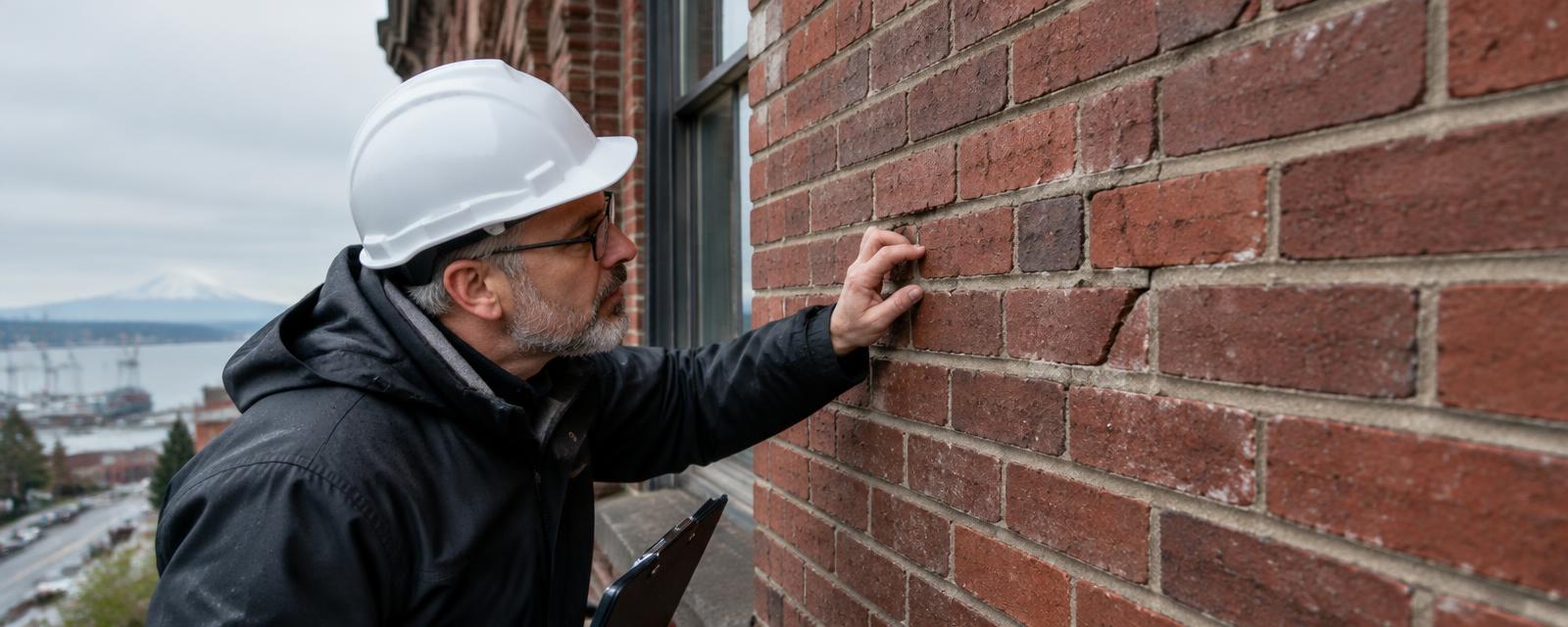
Understanding the Challenges of Older Masonry Buildings in Tacoma
Older masonry buildings contribute to Tacoma's architectural character, offering durability, historic appeal, and practical value for commercial and residential property owners. However, these structures can develop issues over time as their materials respond to moisture, temperature fluctuations, building movement, and years of use. Brick, stone, mortar, and concrete may appear strong on the surface while concealing deterioration that requires professional attention. For property owners, understanding inspection findings is essential to protecting structural integrity, maintaining occupant safety, and planning future maintenance costs. Older buildings also require careful evaluation because some conditions reflect normal aging, while others may indicate more serious structural concerns. At Bach Associates, we help property owners understand the significance of building conditions and make informed decisions about property maintenance, repairs, and long-term asset management.
Why Older Masonry Buildings Require Specialized Inspections
Masonry construction can remain serviceable for decades when the materials are properly maintained and the building is protected from excessive moisture. Nevertheless, aging mortar joints, deteriorating masonry units, and previous repairs can create vulnerabilities that become more apparent during a professional inspection. Older buildings may also have construction details that differ from modern standards, making it important to evaluate their existing conditions in the context of their age, design, and intended use. Some properties have undergone multiple renovations, additions, or changes in occupancy that can affect structural performance. Inspectors must consider these factors when determining whether an observed condition is cosmetic, maintenance-related, or potentially structural. A thorough assessment helps property owners distinguish routine upkeep from problems that warrant further investigation by a qualified structural engineer or other building specialist.
Cracks in Brick Walls and Mortar Joints
Cracking is one of the most common findings during inspections of older masonry buildings. Small cracks may develop as materials expand and contract, mortar ages, or minor movements occur within the structure. However, the location, width, pattern, and progression of a crack can provide important clues about its underlying cause. Stair-step cracks following mortar joints, diagonal cracks near window openings, and wider cracks around structural supports may warrant additional evaluation. Horizontal cracks or noticeable separation between masonry walls and adjoining structural elements can be particularly concerning because they may indicate movement, inadequate restraint, or other performance issues. Property owners should avoid assuming that every crack requires major reconstruction, but they should also refrain from covering visible damage before its cause has been assessed. Documenting crack locations, monitoring changes, and obtaining professional recommendations can help determine the appropriate repair strategy.
Deteriorating Mortar and the Importance of Repointing
Mortar joints play a critical role in masonry construction by bonding individual units, accommodating minor movement, and helping limit water penetration through the wall assembly. As mortar ages, it may become powdery, recessed, cracked, or detached from the surrounding brick or stone. These conditions can allow water to enter the masonry system, accelerating deterioration and potentially affecting nearby materials. During an inspection, the extent and depth of mortar deterioration help determine whether localized repairs or more extensive repointing may be appropriate. Repointing involves removing deteriorated mortar to a suitable depth and replacing it with compatible material, rather than simply applying a thin layer over the existing joints. Selecting the correct mortar is particularly important in older buildings because excessively hard replacement mortar can damage softer historic bricks and stones. A suitable repair approach preserves the performance of the masonry while reducing the risk of creating additional deterioration.
Moisture Intrusion and Water Damage
Moisture intrusion is a significant concern for older masonry properties in Tacoma because prolonged exposure to rain, wind-driven moisture, and inadequate drainage can affect both exterior walls and interior spaces. Water may enter through deteriorated mortar joints, damaged flashing, poorly sealed window openings, roof defects, or cracks in the building envelope. Inspection findings may include damp masonry, peeling interior finishes, water stains, musty odors, or visible deterioration near windows and rooflines. These symptoms can indicate that water is entering the building, although the precise source may not be immediately apparent from a visual inspection. Persistent moisture can contribute to corrosion of embedded metal components, deterioration of wood elements adjoining masonry, and conditions that support mold growth where suitable organic materials and moisture are present. Property owners should prioritize identifying and correcting the source of water entry before investing in cosmetic repairs. Effective drainage, properly maintained roof systems, compatible masonry repairs, and well-detailed openings can help protect the building over the long term.
Efflorescence, Spalling, and Surface Deterioration
Efflorescence appears as a white or light-colored deposit on masonry surfaces when moisture transports soluble salts through the material and leaves them behind as the water evaporates. Although this condition is often primarily cosmetic, it can indicate recurring moisture movement that deserves investigation. Spalling is more serious because it involves the flaking, chipping, or breaking away of the masonry surface, sometimes exposing the interior of a brick or stone unit. Repeated wetting and drying, incompatible repairs, salt crystallization, and freeze-thaw exposure can contribute to surface deterioration under suitable conditions. During an inspection, the distribution and severity of these findings can help specialists identify areas that may require closer examination. Simply brushing away deposits or patching damaged surfaces may not provide a lasting solution if moisture continues to enter the wall. Property owners should consider both the visible damage and the environmental conditions contributing to it when developing a repair plan.
Structural Movement and Foundation Concerns
Inspection findings involving structural movement require careful interpretation because older buildings may experience settlement, changes in loading, or movement associated with surrounding soil conditions. Uneven floors, sloping walls, separated masonry joints, and recurring cracks can sometimes indicate movement affecting the foundation or supporting structure. However, these symptoms do not automatically establish that a foundation is failing, since construction irregularities, historical settlement, and nonstructural defects can produce similar observations. A qualified professional will evaluate the overall pattern of damage, the relationship between affected areas, and any available information about previous repairs or building modifications. Where necessary, additional investigation may involve measurements, structural calculations, selective opening of concealed areas, or geotechnical evaluation. Early attention is particularly valuable when cracks are widening, walls appear to be leaning, masonry is separating from adjoining elements, or other signs suggest active movement. Understanding the underlying mechanism allows property owners to address the cause rather than repeatedly repairing the visible symptoms.
Aging Steel Lintels, Anchors, and Embedded Components
Older masonry buildings frequently contain metal components that support openings, connect building elements, or provide stability to exterior walls. Steel lintels above windows and doors may corrode when exposed to moisture, leading to expansion, masonry cracking, displacement, or localized deterioration. Metal anchors and wall ties can also be vulnerable to corrosion, particularly when they are concealed within the masonry and exposed to persistent moisture. Inspection findings may include rust staining, cracked mortar above openings, bulging brickwork, or separation between exterior walls and adjoining structural elements. Because many of these components are hidden from view, a visual inspection may identify warning signs without confirming the full extent of deterioration. Additional investigation may be necessary to determine whether concealed metal components remain functional and whether repairs or replacement are required. Addressing these concerns promptly can help reduce the risk of falling masonry, damaged openings, and more extensive structural repairs.
Bulging Walls and Loose Masonry
Bulging or leaning masonry walls deserve particular attention because they can indicate a loss of stability or inadequate connections between the exterior wall and the building's structural system. These conditions may develop gradually as wall ties deteriorate, structural supports move, moisture affects materials, or previous alterations change the way loads are transferred. During an inspection, professionals may examine wall alignment, cracking patterns, separation at floor levels, and evidence of movement around openings. Loose bricks, unstable parapets, deteriorated cornices, and damaged masonry above entrances can also present hazards to occupants and pedestrians. The urgency of a finding depends on its severity, location, apparent stability, and potential consequences if material becomes detached. Where falling masonry or instability is suspected, property owners should arrange prompt professional evaluation and restrict access to affected areas when appropriate. Repairs should be based on an assessment of the underlying support and connection systems rather than limited to replacing individual loose bricks.
Parapets, Chimneys, and Roofline Masonry
Parapets, chimneys, and other masonry features above the roofline often experience greater exposure to weather than protected wall surfaces. Their upper surfaces, flashing details, mortar joints, and connections can deteriorate when water enters through gaps or when protective coverings fail. Inspection findings may include loose masonry units, cracked chimney caps, missing mortar, corroded flashing, and signs of separation near roof connections. Because these elements are elevated, even relatively small defects can create safety concerns if pieces fall onto sidewalks, entrances, parking areas, or neighboring properties. Water entering at the roofline can also travel into concealed wall cavities, causing damage that may not be visible from the ground. Property owners should ensure that elevated masonry features receive appropriate inspection and maintenance, especially after severe weather or when recurring leaks are reported. Repairs may involve masonry restoration, improved flashing, stabilization, or partial reconstruction, depending on the condition and design of the affected element.
Fire Safety and Building Code Considerations
Some older masonry buildings were constructed under building codes and design practices that differ from current requirements. Although masonry walls may provide substantial fire resistance, the overall safety of a building also depends on floor and roof assemblies, structural connections, fire separations, exits, and other building systems. Previous renovations or changes in occupancy may introduce additional requirements that need to be reviewed under applicable regulations. Inspection findings can reveal damaged fire-resistance features, unprotected penetrations, deteriorated stairways, or other conditions that warrant further assessment. Property owners should understand that an inspection does not necessarily establish full code compliance unless the assessment specifically includes that scope. Requirements may vary according to the building's occupancy, construction type, alteration history, and the provisions adopted by the relevant authorities. When concerns arise, consultation with qualified design professionals and the appropriate local building department can help establish the necessary corrective measures.
Historic Preservation and Appropriate Repair Materials
Many older masonry properties have architectural features or original materials that owners want to preserve. Repairing these buildings requires balancing structural performance, moisture management, durability, and the retention of original character. Modern materials are not automatically suitable for historic masonry because differences in strength, stiffness, porosity, and water absorption can affect how the wall performs. For example, replacing traditional lime-based mortar with an incompatible high-strength mortar may concentrate stresses in older masonry units and contribute to cracking or spalling. Inspection findings can help identify areas where original materials remain serviceable and where deterioration requires carefully selected intervention. Depending on the building's significance and location, historic preservation requirements or review procedures may also apply to proposed alterations. A well-planned restoration strategy focuses on repairing the actual defect, preserving sound materials wherever practical, and using compatible methods that support the long-term performance of the structure.
Understanding the Difference Between Maintenance Issues and Structural Defects
Not every inspection finding indicates an immediate structural problem, and distinguishing between maintenance needs and significant defects is essential for effective property management. Deteriorated sealant, minor mortar erosion, and isolated surface deposits may be manageable through routine maintenance when no more serious underlying issue is present. In contrast, progressive cracking, substantial wall displacement, widespread masonry deterioration, or signs of failing connections may require specialist investigation. The inspector's observations should be considered alongside the building's age, exposure, previous repair history, and current use. Property owners should also recognize that a visual inspection has limitations because concealed defects may remain undetected without additional testing or access. When the cause or severity of a finding is uncertain, obtaining a clear explanation of the recommended next steps is more useful than relying on assumptions about the condition. This approach supports better budgeting and helps ensure that important safety concerns receive appropriate attention.
How to Prioritize Inspection Findings and Repairs
After receiving an inspection report, property owners should organize the findings according to their potential impact on safety, structural performance, water intrusion, and future repair costs. Conditions that present an immediate hazard, such as unstable masonry or potentially falling materials, should receive prompt professional attention. Active water intrusion should also be addressed quickly because continued moisture exposure can accelerate damage and increase the scope of future work. Other findings, including localized mortar deterioration and minor surface defects, may be suitable for planned maintenance if they do not indicate a more serious underlying condition. Repair planning should account for the cause of each defect, the recommended corrective action, the expected service life of the repair, and the potential consequences of delaying the work. Property owners may also benefit from obtaining estimates that clearly distinguish essential repairs from optional improvements and future maintenance recommendations. A prioritized approach helps direct available funds toward the most important needs while creating a practical schedule for preserving the building.
Developing a Long-Term Maintenance Plan
A long-term maintenance plan can reduce uncertainty for owners responsible for aging masonry properties. Rather than waiting until visible deterioration becomes extensive, owners should arrange periodic reviews of masonry walls, mortar joints, roofline features, flashing, drainage systems, and areas that have experienced previous water intrusion. Inspection frequency should reflect the building's condition, exposure, occupancy, maintenance history, and any specific recommendations made by qualified professionals. Records of inspections, photographs, repairs, contractor recommendations, and recurring defects can help identify patterns that might otherwise be overlooked. Maintaining these records also supports capital planning by helping owners anticipate future expenditures and evaluate whether previous repairs have performed as intended. Following significant storms, nearby construction, or reports of new cracking, an additional assessment may be appropriate if the circumstances suggest a potential change in building condition. A documented maintenance program provides a more reliable basis for managing risk, preserving property value, and extending the useful life of the structure.
What Tacoma Property Owners Should Expect From a Professional Inspection
A professional building inspection should provide a clear account of observed conditions, identify areas of concern, and explain which findings may require additional evaluation. The inspection scope matters because a general property assessment may not include detailed structural calculations, concealed component testing, invasive investigation, or a comprehensive code review. Property owners should clarify what areas will be examined, what limitations apply, and whether the findings will include photographs and recommendations for further action. When a concern falls outside the original scope, the inspector may recommend consultation with a structural engineer, masonry specialist, roofing professional, or another qualified expert. Owners should also ask whether recommended repairs address the underlying cause of the problem and whether follow-up verification will be appropriate after the work is completed. At Bach Associates, we recognize the importance of clear inspection findings that help property owners understand building conditions and plan responsible next steps. A well-defined inspection process supports informed decisions without overstating what can be concluded from a visual assessment alone.
Protecting the Long-Term Value of Older Masonry Properties
Older masonry buildings can remain valuable assets when their conditions are understood and maintenance decisions are based on reliable information. Inspection findings provide an opportunity to identify deterioration, investigate potential safety concerns, and address defects before they develop into more extensive problems. Tacoma property owners should pay particular attention to cracking, mortar deterioration, moisture intrusion, corroded metal components, wall movement, and the condition of elevated masonry features. They should also recognize that the appropriate response depends on the cause, severity, and progression of each finding rather than the appearance of the damage alone. Combining professional assessment with compatible repairs and consistent maintenance can help preserve structural performance, reduce avoidable expenses, and protect occupants. At Bach Associates, we encourage property owners to approach building inspections as part of an ongoing asset management strategy rather than a one-time exercise. With a clear understanding of inspection findings and a practical plan for corrective work, owners can make better-informed decisions about maintaining their older masonry buildings for years to come.
Need Professional Guidance?
Bach Associates provides expert reserve study and construction management services for Washington associations.