Why Independent Building Inspections Matter Before Purchasing Older Residential and Commercial Properties in Seattle
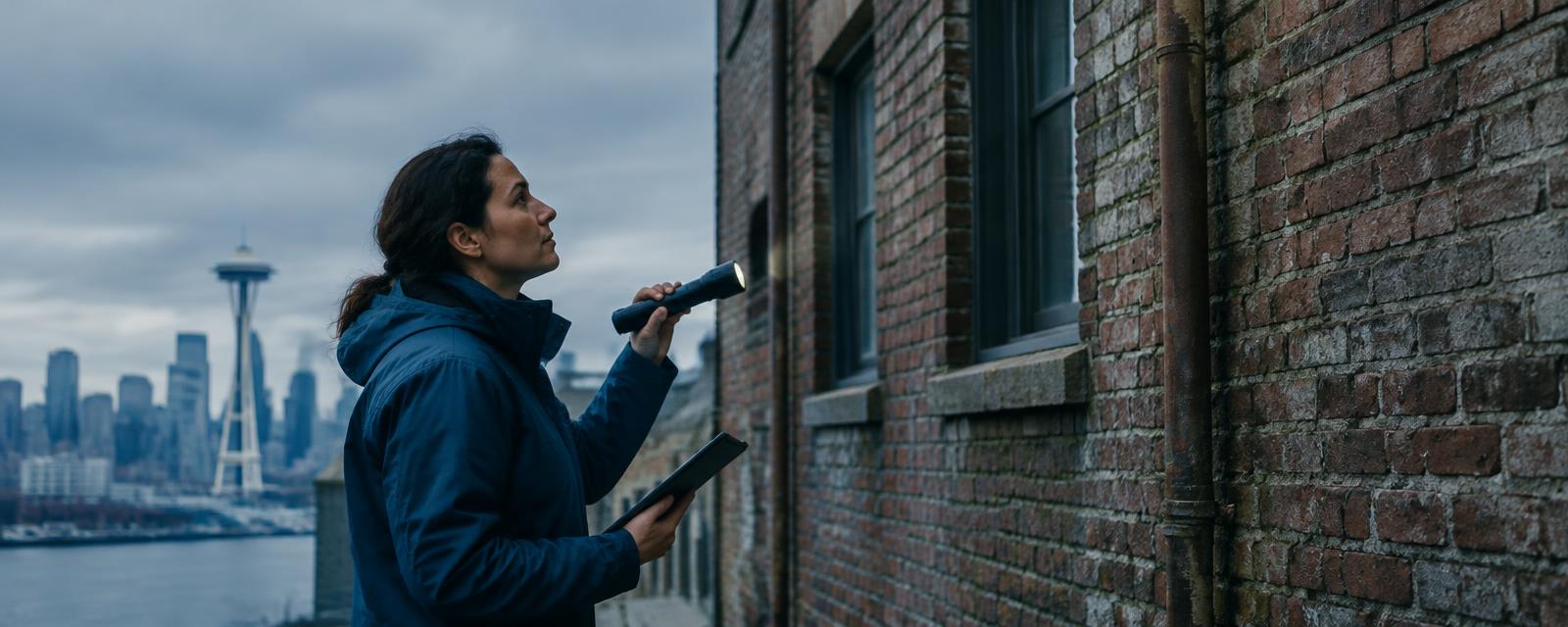
Purchasing an older residential or commercial property in Seattle can be an exciting investment, whether we are helping buyers find their dream home, expand their business, or secure a property with long-term financial potential. Older buildings often offer distinctive architectural features, established neighbourhoods, convenient locations, and construction details that are difficult to find in newer developments. However, their age can also bring hidden maintenance concerns, structural deterioration, outdated building systems, and potential safety issues that may not be immediately visible during a property viewing. A property that looks attractive on the surface may have underlying problems that require considerable repairs after the purchase is completed. This is why arranging an independent building inspection before making a final purchasing decision is an important step. At Bach Associates, we believe that understanding a property's actual condition allows buyers to make informed decisions, manage financial risks, and approach property transactions with greater confidence.
Understanding the Importance of Independent Building Inspections
An independent building inspection provides an objective assessment of a property's visible condition, helping prospective buyers understand its strengths, weaknesses, and potential maintenance requirements. Unlike a standard property viewing, which primarily focuses on appearance, layout, and suitability, a professional inspection examines important building components and identifies defects that could affect safety, durability, and future maintenance costs. This is particularly important when purchasing older properties because years of occupancy, environmental exposure, renovations, and general wear can gradually affect different parts of a building. An experienced inspector can identify concerns involving foundations, roofing, exterior walls, drainage, plumbing, electrical systems, and other accessible components. Independent inspections also help buyers distinguish between ordinary age-related deterioration and more serious defects that may require specialist investigation. By obtaining an objective assessment before completing a transaction, buyers can better understand what they are purchasing rather than relying entirely on the seller's description or the property's visual presentation.
Why Older Residential Properties in Seattle Require Special Attention
Seattle has a diverse residential property market that includes historic homes, traditional Craftsman houses, mid-century properties, older apartment buildings, and renovated residential developments. Although these properties often have considerable character, their construction methods and materials may differ significantly from those used in modern buildings. Older homes can contain ageing foundations, deteriorating roofing materials, inadequate ventilation, outdated plumbing, and insulation that no longer meets current performance expectations. Moisture intrusion is another important consideration because prolonged exposure to rain and damp conditions can contribute to timber deterioration, mould growth, and damage to interior finishes. Previous owners may also have completed renovations or additions that require further examination to understand their condition and whether appropriate permits were obtained. A comprehensive inspection helps buyers identify these concerns before they become unexpected financial responsibilities. Understanding the condition of an older home also makes it easier to plan future improvements while preserving the property's original architectural character.
Identifying Structural Problems Before Making a Purchase
Structural integrity is one of the most important considerations when evaluating an older residential or commercial building. Foundations, load-bearing walls, floor systems, roof structures, and supporting components must remain capable of performing their intended functions throughout the building's service life. Over time, soil movement, water penetration, poor construction practices, ageing materials, and previous structural modifications can contribute to cracks, uneven floors, wall movement, and other warning signs. Some defects may appear relatively minor during an initial viewing but could indicate more significant underlying problems that require further investigation. In Seattle, properties located on sloping sites or areas with challenging soil conditions may require particular attention to foundation performance and drainage. An independent building inspector can examine accessible structural components, document visible defects, and recommend specialist assessment when necessary. Identifying these concerns before purchasing allows buyers to understand the potential implications and avoid committing to a property without adequately evaluating its structural condition.
Detecting Moisture Intrusion, Water Damage, and Mould
Seattle's wet climate makes moisture management an essential consideration when purchasing older properties. Frequent rainfall, damp conditions, poor drainage, leaking roofs, and inadequate ventilation can create opportunities for water to enter buildings and damage materials over time. Older properties may have ageing waterproofing systems, deteriorated window seals, damaged flashing, or foundation drainage issues that allow moisture to accumulate in vulnerable areas. Water damage can affect timber framing, flooring, plasterboard, insulation, ceilings, and other building materials, sometimes creating conditions that support mould growth. In some cases, previous cosmetic repairs may conceal the visible signs of an ongoing moisture problem without addressing its underlying cause. During an inspection, accessible areas can be examined for staining, deterioration, elevated moisture readings where appropriate, and other indicators of water intrusion. Where mould, concealed moisture, or suspected leaks require further investigation, specialist assessments may be recommended. Understanding these conditions before purchasing helps buyers evaluate repair requirements, investigate potential indoor environmental concerns, and make more informed decisions about the property's long-term maintenance.
Evaluating Roofing Systems and Exterior Building Components
Roofing systems and exterior components provide essential protection against weather exposure, making their condition particularly important for older buildings in Seattle. Over the years, roofing materials can deteriorate due to age, rainfall, temperature fluctuations, inadequate maintenance, and previous installation problems. Damaged shingles, deteriorated flashing, blocked gutters, leaking roof penetrations, and poorly maintained drainage systems can allow water to enter the building and damage internal structures. Exterior walls, siding, windows, doors, balconies, and sealants also require attention because even relatively small defects can contribute to ongoing moisture problems. Commercial buildings may have larger or more complex roofing systems that require careful evaluation of accessible surfaces, drainage arrangements, and visible deterioration. An independent inspection helps identify observable roofing and exterior defects that could affect the building's weather resistance and future maintenance requirements. Buyers can then obtain additional roofing or specialist assessments where necessary, helping them understand the likely scope of repairs before finalising the purchase.
Assessing Plumbing and Electrical Systems in Older Buildings
Plumbing and electrical systems are essential to the everyday operation and safety of residential and commercial properties. However, older buildings may contain infrastructure that has been modified several times or has reached the later stages of its expected service life. Ageing plumbing pipes, deteriorated connections, leaking fixtures, corrosion, inadequate drainage, and outdated water heating equipment can create maintenance problems that may not be obvious during a routine viewing. Electrical systems also require careful consideration because older wiring, outdated electrical panels, overloaded circuits, and previous unqualified modifications can create potential safety concerns. Buyers should understand that a general building inspection is not necessarily a substitute for specialist plumbing or electrical testing. Depending on the property's condition, an inspector may recommend further evaluation by appropriately qualified professionals. This additional investigation can help establish whether important systems are operating as intended, whether upgrades are required, and what expenses may arise after ownership transfers. Understanding the condition of these systems is particularly valuable when comparing older properties with different renovation histories and maintenance records.
Why Commercial Property Buyers Need Independent Inspections
Purchasing an older commercial property involves considerations that extend beyond the appearance and general condition of the building. Offices, retail premises, warehouses, industrial facilities, and mixed-use developments may have complex building systems, higher occupancy demands, and specific operational requirements. Problems involving structural components, roofing, drainage, ventilation, fire protection, accessibility, and essential services can affect how effectively a commercial space supports its intended use. For example, a warehouse with inadequate roof drainage may experience recurring water intrusion, while an older office building may require improvements to ventilation, electrical infrastructure, or accessibility arrangements. Commercial buyers should also consider whether existing building configurations and previous alterations are suitable for their intended business activities. An independent building inspection provides an opportunity to identify visible defects and potential maintenance concerns before the transaction is completed. Where specialist systems or regulatory compliance matters are involved, additional assessments may be necessary to establish the property's suitability for its proposed use. This process helps investors and business owners evaluate potential liabilities and make more informed decisions about the commercial property's future operating costs.
Understanding Renovations, Alterations, and Previous Repairs
Many older properties in Seattle have undergone renovations, extensions, conversions, or other modifications during their lifetime. While these improvements can increase functionality and market appeal, the quality of previous work is not always consistent. Some alterations may have been completed without appropriate professional oversight, while others may have introduced problems that were not present in the original building. Buyers should pay particular attention to converted spaces, extended living areas, modified structural walls, replacement windows, renovated bathrooms, and changes to plumbing or electrical systems. An independent inspection can identify visible signs of poor workmanship, incompatible materials, incomplete repairs, and defects associated with previous modifications. However, a visual inspection cannot independently establish whether every renovation was properly permitted or complied with all applicable regulations. Buyers should therefore review available permits, contractor documentation, warranties, and renovation records alongside the inspection findings. This combined approach provides a clearer understanding of the property's history and helps prevent unexpected complications after the purchase.
Recognising Potential Safety Hazards in Older Properties
Safety should remain a priority when purchasing any property, particularly buildings constructed several decades ago. Older residential and commercial properties may contain materials or building features that require additional investigation because of their age and original construction methods. Potential concerns can include deteriorated stairs and handrails, damaged balconies, unsafe electrical installations, inadequate smoke detection, compromised fire separation, and deteriorating structural components. Depending on the property's construction period and renovation history, buyers may also need to investigate materials such as asbestos-containing products or lead-based paint. These materials cannot always be identified reliably through a standard visual inspection and may require specialist sampling or laboratory testing. Commercial properties can introduce additional considerations involving emergency exits, fire safety arrangements, accessibility, and occupant safety. An independent inspection helps identify visible hazards and areas that warrant further professional assessment. Addressing these matters before purchasing gives buyers a better understanding of potential safety-related responsibilities and helps them plan appropriate improvements.
How Independent Inspections Help Buyers Negotiate Better Purchase Terms
A professional inspection report can provide valuable information during property negotiations, particularly when significant defects or maintenance requirements are identified. Buyers often make purchasing decisions based on the property's asking price, location, size, and apparent condition, but these factors do not always reflect the actual cost of ownership. Discovering a deteriorated roof, foundation concerns, plumbing defects, or extensive moisture damage can change the financial calculations considerably. With documented inspection findings, buyers have a clearer basis for discussing repair responsibilities, requesting further investigations, or negotiating an adjustment to the purchase price where appropriate. The report can also help establish which defects require immediate attention and which improvements can reasonably be scheduled over time. Sellers may be more willing to discuss practical solutions when concerns are supported by professional observations rather than assumptions made during a viewing. Although an inspection does not guarantee a successful negotiation, it provides useful evidence that helps buyers approach discussions with greater clarity and confidence.
Avoiding Unexpected Repair Costs and Long-Term Financial Risks
The purchase price of an older property represents only one part of the total financial commitment involved in ownership. Buyers must also consider ongoing maintenance, future renovations, insurance requirements, building improvements, and the possibility of repairing hidden defects. A relatively inexpensive property may become a costly investment if major structural, roofing, drainage, or building system problems are discovered after settlement. These expenses can be particularly challenging for first-time homeowners, property investors, and businesses operating with carefully planned budgets. An independent inspection helps identify visible issues that may influence the property's immediate and long-term maintenance requirements. Buyers can use the findings to obtain repair estimates, consult relevant specialists, and develop a more realistic ownership budget. It is equally important to understand that an inspection represents an assessment of accessible and observable conditions at a particular point in time, rather than a guarantee that every concealed defect will be discovered. Nevertheless, obtaining professional advice before purchasing is a practical way to reduce uncertainty and make better-informed financial decisions.
Why Independence and Professional Experience Matter
The value of a building inspection depends considerably on the objectivity, experience, and professional approach of the person conducting it. An independent inspector should provide an unbiased assessment based on observable building conditions rather than the interests of the seller, property agent, or another party involved in the transaction. This independence helps ensure that identified defects are documented accurately and that potential concerns are not overlooked simply because a property is being marketed as recently renovated or well maintained. Professional experience is also important because older buildings often require an understanding of traditional construction methods, ageing materials, common deterioration patterns, and the relationship between different building components. A useful inspection report should explain identified concerns in understandable language, provide relevant photographs where appropriate, and distinguish between significant defects and routine maintenance observations. It should also identify limitations and recommend further specialist investigation when a concern falls outside the scope of the inspection. At Bach Associates, we recognise the importance of clear, objective building assessments that help property buyers understand the condition of the buildings they are considering purchasing.
What Buyers Should Review Before Arranging an Inspection
Before arranging an independent building inspection, buyers should establish what type of assessment is appropriate for the property and their intended use. A historic residential home, a renovated apartment building, and a large commercial warehouse can have very different inspection requirements. Buyers should consider the property's age, construction type, renovation history, visible condition, and any concerns identified during preliminary viewings. It is also useful to gather available maintenance records, renovation documents, building plans, warranties, and relevant disclosures so that the inspector has additional context about the property. The inspection scope should be clearly understood, including which accessible areas and building components will be assessed and which specialist services may need to be arranged separately. Buyers should also request clarification about reporting standards, photographs, identified limitations, and recommendations for further investigation. Taking these steps before the inspection helps ensure that the assessment addresses the most relevant property concerns and provides useful information for the purchasing decision.
The Importance of Reviewing the Inspection Report Carefully
Receiving an inspection report is only the beginning of the process because buyers must also understand what the findings mean for the property's condition and future ownership costs. Reports may identify several observations, ranging from minor maintenance issues to defects that require immediate professional attention. It is important not to treat every finding as equally serious because some issues may be relatively straightforward to address, while others could indicate more extensive deterioration. Buyers should pay particular attention to structural concerns, active water penetration, electrical safety observations, roofing defects, and problems involving essential building systems. Where the report recommends specialist investigations, those assessments should ideally be completed before contractual deadlines or other purchasing milestones where possible. Buyers can also obtain quotations from appropriately qualified contractors to understand the potential costs associated with necessary repairs and upgrades. A careful review of the findings helps turn technical observations into practical purchasing decisions and allows buyers to evaluate whether the property remains suitable for their financial and operational objectives.
Making More Confident Property Purchasing Decisions in Seattle
Older residential and commercial properties can offer excellent opportunities, but their long-term value depends on more than location, appearance, and purchase price. Buyers need to understand the condition of the building, the reliability of its essential systems, and the maintenance responsibilities that may arise after ownership transfers. Seattle's wet climate, diverse building stock, and extensive range of older properties make independent inspections particularly valuable when evaluating potential purchases. A professional assessment can reveal visible defects, highlight areas requiring further investigation, and provide useful information for budgeting and negotiations. It also helps buyers approach property transactions with realistic expectations instead of relying solely on marketing descriptions or superficial observations. Whether purchasing a traditional family home, an investment property, an office building, or a commercial facility, arranging an inspection before finalising the transaction is a sensible step towards protecting the investment. Taking the time to understand a property's condition today can help prevent avoidable expenses and difficult surprises in the years ahead.
Arrange an Independent Building Inspection Before You Buy
Choosing the right property is an important financial decision, and understanding its actual condition should always be part of the purchasing process. We encourage prospective buyers, property investors, and commercial property owners to arrange an independent building inspection before committing to an older property in Seattle. A thorough assessment can help identify visible defects, clarify maintenance requirements, and highlight concerns that may need further specialist investigation. Our goal is to help buyers access meaningful property condition information so they can evaluate potential risks and make decisions with greater confidence. Whether you are considering an older residential home or a commercial building, taking a proactive approach to property inspections can make a significant difference to your purchasing experience. Contact Bach Associates today to discuss your building inspection requirements and take the next step towards a more informed property purchase in Seattle.
Need Professional Guidance?
Bach Associates provides expert reserve study and construction management services for Washington associations.