How Building Deficiencies Can Complicate WUCIOA Reserve Planning in Bellevue
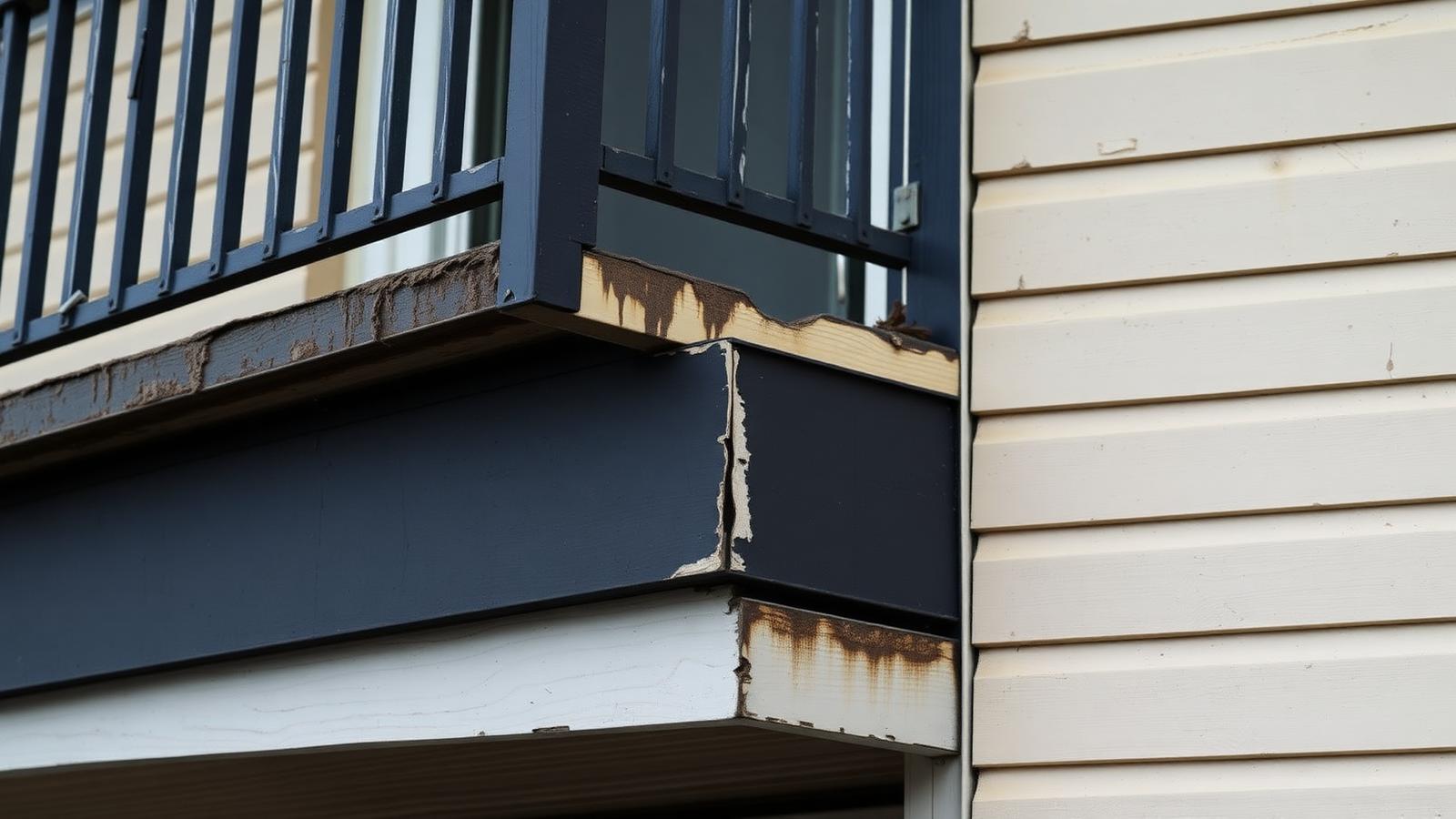
Reserve planning is intended to give condominium and community associations a structured financial strategy for addressing major common-area repairs and replacements over time. In Bellevue, that planning becomes significantly more complicated when a property carries unresolved building deficiencies, deferred maintenance, or components performing below their expected service life.
WUCIOA places important responsibilities on associations concerning long-term stewardship and financial planning of common elements. A reserve study is therefore not simply a financial projection — it must reflect the actual physical condition of the property and the anticipated cost of maintaining it.
What Counts as a Building Deficiency
A deficiency is any condition where a building component is damaged, deteriorated, improperly installed, nearing failure, or not performing as reasonably expected. Examples include roofing deterioration, water intrusion, balcony problems, failing exterior finishes, damaged siding, drainage deficiencies, deteriorated sealants, and aging mechanical systems.
Some deficiencies are immediately visible; others remain concealed behind walls, ceilings, or exterior cladding. Distinguishing ordinary aging from a significant deficiency matters most when establishing remaining useful life, because a component that has deteriorated prematurely cannot be modeled on its original expected lifespan.
Why Bellevue Properties Face Additional Complexity
Bellevue combines aging buildings, substantial new construction, meaningful moisture exposure, and high property values. Moisture contributes to deterioration of exterior assemblies, roofing, decks, balconies, windows, and drainage components, and even minor water-management problems become expensive when left unresolved.
Responsibility for a particular deficiency may also depend on governing documents, applicable statutes, and whether the affected element is a common element, limited common element, or part of an individual unit. Those determinations directly affect which costs belong in association reserves.
Deferred Maintenance Distorts Reserve Forecasts
Deferred maintenance is one of the most significant factors that interferes with reliable reserve planning. When routine maintenance is postponed, components deteriorate faster than anticipated, reducing remaining useful life and increasing eventual replacement cost.
A roof that would otherwise receive routine maintenance may require extensive repair or full replacement years earlier than modeled. The same applies to sealants, paint systems, drainage infrastructure, decks, walkways, and mechanical equipment. If the analyst assumes normal maintenance where substantial deferral exists, the forecast understates real exposure.
Maintenance Versus Capital Replacement
Reserve planning generally focuses on significant common-area components whose expenditures occur on a predictable or reasonably estimable basis. A deficiency that initially appears to be a maintenance matter can reveal a much larger capital requirement once inspected closely.
Localized deterioration may eventually require widespread replacement of an exterior assembly if the underlying cause is systemic. Recurring water intrusion may indicate that repairing individual locations will never resolve the broader building-envelope problem. Without that distinction, associations either overstate or understate the funding they need.
Building Envelope Deficiencies Are Interconnected
Exterior walls, windows, doors, balconies, flashing, waterproofing, sealants, drainage, and roofing all influence how moisture moves through a building. A visible interior stain may be evidence of a far larger envelope problem rather than an isolated cosmetic issue.
If the source is never identified, repeated repairs continue without addressing the component actually responsible for the deterioration. Accurate condition information determines whether the reserve should account for localized repairs, a larger rehabilitation project, or full component replacement.
How Deficiencies Create Funding Gaps
The primary financial risk is that actual expenses arrive earlier or run substantially higher than the plan anticipated. If a component carries an assumed ten-year remaining life but its condition indicates major work within three years, the existing contribution strategy is inadequate.
The problem compounds when several deficient components require attention in the same planning period. Associations then face large special assessments, sharp assessment increases, borrowing, or difficult decisions about project timing. Condition-based planning reduces the likelihood of that surprise.
Accurate Component Inventories Matter
A reliable plan depends on identifying the components that actually require long-term funding. An incomplete inventory creates blind spots, particularly where a property contains specialized systems or building features that are not immediately obvious.
Exterior assemblies, site drainage, decks, fences, paving, retaining structures, mechanical equipment, and roofing systems may all require consideration. Once deficiencies are identified, the inventory often needs refinement to reflect the affected components and the potential scope of future work.
Remaining Useful Life Is Not a Simple Calculation
Age alone does not determine when a component will need replacement. Installation quality, environmental exposure, maintenance history, repair history, material type, usage, and severity of existing deterioration all influence remaining life.
A relatively young component may have a shortened life after premature failure or persistent moisture exposure, while an older component that has been properly maintained may continue performing well. Evaluating observed conditions produces a more defensible projection than applying generic lifespans without qualification.
Updating Plans When Conditions Change
Reserve planning is not a one-time exercise. Building conditions evolve, repair projects are completed, construction costs shift, and new deficiencies emerge. When a significant deficiency is identified, the assumptions in the existing plan should be revisited.
A change in expected project timing can meaningfully affect annual contribution requirements and projected reserve balances. Completed repairs may extend useful life and move future expenditures out. Regular review lets boards respond before a condition becomes an urgent budget problem.
Construction Costs and Bellevue Market Conditions
Cost assumptions are another major source of uncertainty. Pricing varies with labor availability, material costs, project complexity, permitting, access limitations, and timing — and Bellevue's active construction market influences the cost of specialized rehabilitation work.
A forecast built on outdated pricing will not fund future work adequately. Cost estimates should be reviewed periodically and treated as dynamic inputs rather than permanent figures.
Special Assessments Become More Likely
When deficiencies stay outside long-term planning, special assessments become the default response to unexpected capital requirements. That places significant pressure on owners, especially when the amount is large or several projects converge.
More proactive planning reduces — though never fully eliminates — the possibility of major unplanned assessments. Identifying deficiencies early gives the association time to evaluate alternatives and build an appropriate funding strategy.
Building a More Reliable Reserve Strategy
WUCIOA reserve planning becomes substantially more meaningful when it reflects the actual condition of the property rather than generalized component lifespans. Deficiencies accelerate replacement schedules, expand project scopes, introduce investigation costs, and create funding pressure that a conventional forecast never shows.
Bach Associates connects physical asset conditions with realistic financial projections. Pair a professional building inspection with your next reserve study, or request a consultation to review your community's current assumptions.