How Inspection Documentation Can Improve the Accuracy of Future HOA Reserve Studies
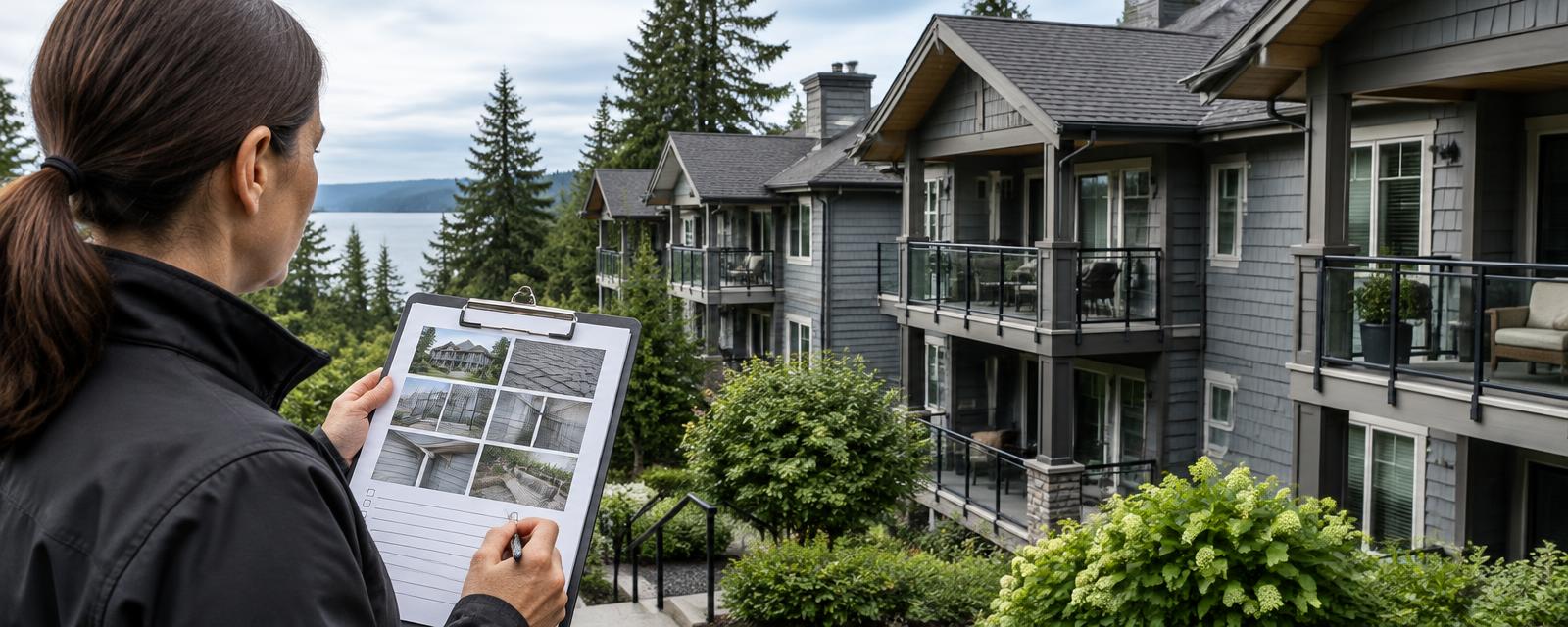
Building a Reliable Foundation for Reserve Planning
Accurate reserve studies depend heavily on the quality of information available about an association’s physical assets. Inspection documentation provides a historical record that helps future professionals understand how common elements have performed over time. Detailed records can include inspection dates, observed conditions, photographs, repair notes, maintenance activities, and recommendations. When these details are preserved consistently, they provide valuable evidence that can complement future physical inspections. This historical perspective can make it easier to identify recurring issues, changes in component conditions, and maintenance patterns. Our team at Bach Associates recognizes that well organized inspection documentation can become an important resource for long term HOA financial and maintenance planning.
Creating a Clear Asset History
Every HOA property contains components that age at different rates and require different levels of maintenance. Roofing systems, pavement, siding, balconies, mechanical equipment, fencing, drainage features, and other common elements can experience changing conditions throughout their service lives. Inspection documentation creates a chronological record of these changes rather than relying entirely on observations made during a single reserve study. Future reserve analysts can review previous findings to determine whether deterioration is progressing as expected or occurring more rapidly than anticipated. This information can help provide greater context when estimating remaining useful lives and potential replacement timelines. A consistent asset history therefore supports more informed reserve planning and reduces reliance on assumptions.
Improving Remaining Useful Life Estimates
Remaining useful life is one of the important factors considered when developing reserve funding recommendations. Without historical inspection information, analysts may have to estimate remaining service life primarily from current condition, installation age, industry expectations, and available documentation. Previous inspection records can provide additional evidence about how quickly a component has deteriorated under its specific environmental and operational conditions. For example, repeated observations of a roofing system can reveal whether its condition has remained relatively stable or declined noticeably between inspection periods. Similar information can be valuable for pavement, exterior finishes, fencing, elevators, pools, and other major common elements. Our documentation practices can help preserve the evidence needed to make these future service life assessments more property specific.
Supporting Better Cost Forecasting
Reserve studies also require reasonable projections of future repair and replacement costs. Inspection records can help establish whether components are likely to require routine maintenance, partial rehabilitation, major repair, or complete replacement. Understanding the actual condition of an asset can prevent future planners from treating every component as though it will require the same type of expenditure at the same point in its expected life. Documentation may also identify previous repairs or upgrades that could influence the scope and cost of future work. When this information is available, reserve funding projections can be developed with a stronger understanding of the property's actual history. Over time, this can contribute to more practical and defensible financial planning for the association.
Connecting Maintenance With Asset Performance
Maintenance history provides important context when evaluating the condition of common property components. An asset that receives regular preventive maintenance may perform differently from a similar asset that has experienced deferred maintenance or repeated repairs. Inspection documentation can help future reserve professionals identify relationships between maintenance practices and observed physical conditions. Records can also show whether recommended corrective actions were completed, postponed, or modified by the association. This creates a clearer connection between what was observed, what was recommended, and what ultimately happened to the component. Maintaining this information can therefore strengthen the technical foundation used for future reserve study updates.
Identifying Recurring Problems
Repeated inspection findings can reveal patterns that may not be obvious from a single site visit. A recurring drainage concern, recurring pavement deterioration, or repeated deterioration in an exterior building component may indicate an underlying issue that requires more than routine replacement planning. Historical documentation allows future reviewers to compare findings across multiple inspection cycles and recognize persistent conditions. It can also help distinguish isolated maintenance issues from problems that affect a broader portion of the property. Recognizing these patterns earlier may allow an association to investigate underlying causes before they result in larger repair requirements. This makes historical inspection information particularly valuable when developing long range capital planning strategies.
Preserving Information Between Reserve Study Updates
Reserve studies are typically updated periodically, which means valuable property knowledge can be lost if inspection records are not maintained between studies. Board members, community managers, contractors, and consultants may change over the years, taking important institutional knowledge with them. Written inspection documentation provides continuity even when the people responsible for managing the community change. Future professionals can use these records to understand what was previously observed without depending entirely on recollections from current board members or managers. This can make the transition between reserve study cycles more efficient and consistent. Our approach at Bach Associates emphasizes the value of preserving useful property information so it remains accessible for future planning.
Strengthening Documentation Through Photographs
Photographic records can add significant value to written inspection observations. A photograph can provide visual evidence of conditions such as cracking, staining, corrosion, surface deterioration, material wear, or other visible deficiencies. When photographs are dated and associated with specific building areas or components, they can provide a useful comparison point during subsequent inspections. Future analysts may be able to determine whether a condition has remained stable, expanded, or changed in character. Consistent photographic documentation can therefore supplement written descriptions and improve the historical understanding of physical assets. Organized visual records are particularly useful when evaluating components whose condition can change substantially between reserve study cycles.
Making Future Inspections More Efficient
Historical inspection documentation can also help future inspectors focus their attention where it matters most. Previous records can identify components that have experienced accelerated deterioration, recurring deficiencies, or unusual maintenance requirements. This allows future site inspections to include targeted comparisons rather than beginning without historical context. Inspectors can revisit previously documented conditions and determine whether those issues have improved, remained stable, or worsened. This approach can make the inspection process more systematic while supporting more meaningful condition assessments. Better preparation can ultimately contribute to a more complete and consistent reserve study update.
Supporting Transparent HOA Decision Making
HOA boards need reliable information when deciding how to allocate reserve funds and prioritize capital projects. Inspection documentation can provide a factual record that helps explain why a particular component may require attention or why a projected expenditure has changed. Clear records can also help board members understand how current conditions compare with previous observations. This transparency can be valuable when discussing reserve contributions, project timing, maintenance priorities, and potential funding requirements. It gives decision makers supporting information rather than requiring them to rely solely on assumptions or incomplete recollections. A well maintained documentation system can therefore support more informed conversations about the association’s long term financial responsibilities.
Improving Communication With Future Consultants
Reserve study professionals benefit from receiving organized information before and during an inspection assignment. Historical inspection reports, photographs, maintenance records, repair invoices, project information, and previous recommendations can provide useful background about the property. When these materials are organized consistently, consultants can spend more time evaluating current conditions and less time reconstructing the property's history. The information can also help clarify why certain components may differ from standard expectations based on age or construction type. This creates a stronger information exchange between the association and its reserve study consultant. Bach Associates can use relevant historical documentation as part of a broader process for developing property specific reserve planning information.
Creating Consistency Across Reserve Study Cycles
Consistency is essential when comparing physical conditions and financial projections over multiple reserve study updates. If inspection documentation follows a consistent format, future reviewers can compare similar components using similar categories of information. Records should ideally identify the component, location, observed condition, inspection date, photographs, maintenance history, and significant recommendations. Consistent documentation reduces confusion when different professionals or board members become involved in future planning. It also creates a structured historical record that can support trend analysis across many years. The resulting continuity can make reserve study updates more useful as long term planning documents.
Turning Inspections Into Long Term Knowledge
Inspection documentation becomes increasingly valuable when it is treated as an ongoing property management resource rather than a temporary report. Each inspection can add another layer of information about the performance and condition of the association’s physical assets. Over several reserve study cycles, these records can create a detailed history that reveals deterioration trends, maintenance effectiveness, project timing, and component performance. This accumulated knowledge can support more realistic assumptions about future capital needs. It can also help associations recognize when conditions are changing faster or slower than originally expected. Maintaining this information consistently gives future reserve planning a stronger factual foundation.
Accurate HOA reserve studies require more than understanding the age and general condition of community assets. They benefit from reliable historical information showing how those assets have changed, been maintained, repaired, and performed over time. Inspection documentation provides this historical context and can improve assessments of remaining useful life, repair timing, replacement needs, and projected expenditures. When records are organized consistently and preserved between reserve study cycles, they become a valuable resource for future boards, managers, inspectors, and reserve professionals. This practice can support more informed planning while helping associations manage their long term physical and financial responsibilities. By maintaining thorough inspection documentation, communities can give future reserve studies a stronger foundation for accurate and property specific recommendations.
Need Professional Guidance?
Bach Associates provides expert reserve study and construction management services for Washington associations.