How Deferred Maintenance Changes Long-Term Reserve Funding Projections for Spokane Communities
Understanding Deferred Maintenance in Community Reserve Planning
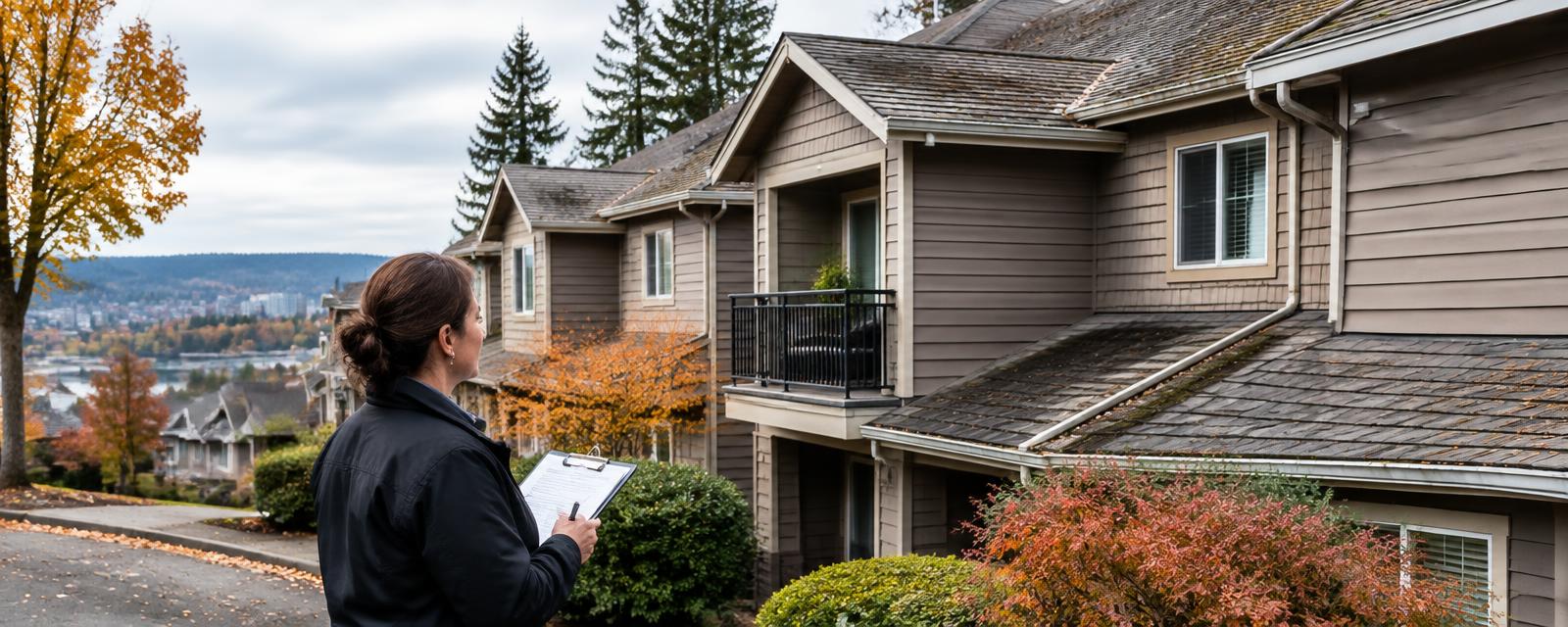
Deferred maintenance is one of the most significant challenges affecting long-term reserve funding projections for homeowners associations, condominium communities, and multifamily properties in Spokane. It occurs when necessary repairs, replacements, or preventive maintenance activities are postponed because of budget limitations, competing priorities, or a lack of accurate information about building conditions. Although delaying maintenance may provide temporary financial relief, it often creates additional expenses that affect future reserve requirements. Building components such as roofs, exterior siding, pavement, drainage systems, balconies, and mechanical equipment continue to deteriorate while repairs remain outstanding. As these components approach the end of their useful lives, the cost of restoring them can increase beyond the amounts originally anticipated in reserve studies. At Bach Associates, we help communities understand how existing maintenance conditions influence future capital expenditures and why realistic reserve funding projections are essential for long-term financial stability.
Why Deferred Maintenance Creates Financial Challenges
When a community postpones a necessary repair, the immediate financial benefit can conceal a larger liability that must eventually be addressed. For example, a homeowners association may delay replacing an aging roof to avoid increasing annual assessments, but the roof may develop leaks that damage insulation, interior finishes, and structural materials. These additional repairs can increase the eventual project cost and create expenses that were not included in the original reserve funding schedule. Deferred maintenance can also force associations to complete several major projects within a shorter period because multiple building components have deteriorated simultaneously. This concentration of expenditures places greater pressure on available reserves and can create funding shortfalls that require special assessments or unexpected increases in regular dues. Understanding these financial consequences allows community boards to evaluate maintenance decisions based on their long-term implications rather than focusing exclusively on immediate budget savings.
How Spokane's Climate Influences Maintenance Deferrals
Spokane's seasonal weather conditions can contribute to the deterioration of building components when maintenance activities are delayed. Cold winters, freezing temperatures, snow accumulation, and recurring moisture exposure can affect roofing materials, pavement, drainage infrastructure, exterior finishes, and other common property elements. Temperature fluctuations can contribute to expansion and contraction in construction materials, while inadequate drainage may allow moisture to collect in areas where it can accelerate deterioration. When preventive maintenance is postponed, minor vulnerabilities can become more serious problems that require extensive repairs or premature component replacement. Communities must also account for seasonal construction schedules, contractor availability, and material costs when estimating the timing and expense of future projects. At Bach Associates, we recognize that reserve planning for Spokane communities must consider local environmental conditions alongside the age, condition, and expected service life of each major building component.
The Relationship Between Deferred Maintenance and Reserve Study Accuracy
A reserve study provides a structured assessment of a community's major shared components, their estimated remaining useful lives, projected replacement costs, and recommended funding requirements. Its reliability depends on accurate information about existing conditions and realistic assumptions about future maintenance needs. When deferred maintenance is present, standard useful-life estimates may no longer reflect the actual condition of the components being evaluated. A roof that was expected to remain serviceable for another eight years may require replacement much sooner if existing leaks and deteriorated materials have been left unaddressed. Similarly, pavement that has experienced years of neglected crack sealing may require more extensive rehabilitation than a typical lifecycle estimate would suggest. We encourage community associations to ensure that reserve studies account for known deficiencies, outstanding repair recommendations, and the practical consequences of postponing necessary work.
How Delayed Repairs Change Remaining Useful Life Estimates
Remaining useful life is an important variable in reserve funding projections because it determines when a community should expect to spend money on component repairs or replacement. These estimates generally reflect the component's age, construction quality, environmental exposure, maintenance history, and observed condition. Deferred maintenance can shorten the remaining useful life of an asset, particularly when the postponed work was necessary to protect the underlying materials from continued deterioration. For instance, failing to maintain protective coatings on exterior wood surfaces may allow moisture penetration that accelerates decay and increases the scope of eventual repairs. When a reserve study continues to use the original replacement timeline without accounting for these conditions, projected expenditures may appear lower or more distant than they actually are. Updating useful-life assumptions based on current observations helps community boards develop more dependable financial plans and prepare for capital projects before they become urgent.
The Impact of Deferred Maintenance on Future Replacement Costs
The financial consequences of deferred maintenance extend beyond changes to project schedules because neglected components may require more extensive work when repairs finally begin. A minor roof repair may become a full replacement project if moisture damage spreads beneath the roofing system and affects insulation or roof decking. Similarly, small cracks in concrete walkways or parking areas may develop into larger areas of deterioration that require reconstruction rather than routine patching. Water intrusion can also affect adjoining building components, creating interconnected repair needs that increase labor requirements, material consumption, and project complexity. Inflation, contractor pricing, permitting requirements, and changing construction standards can further increase the cost of completing work that was postponed for several years. By recognizing these factors in advance, communities can develop reserve projections that better reflect the potential cost of restoring neglected assets to an appropriate condition.
Why Reserve Funding Projections Must Be Updated Regularly
Reserve funding projections are not static financial documents because component conditions, construction costs, and community priorities change over time. A reserve study prepared several years ago may no longer provide an accurate picture of upcoming expenses if maintenance has been deferred or building deterioration has accelerated. Regular updates allow associations to incorporate recent inspections, completed repairs, revised replacement estimates, and newly identified deficiencies into their financial planning. These updates can also reveal whether the community's existing contribution schedule remains sufficient to cover projected expenditures without creating an excessive financial burden on owners. If deferred maintenance has increased anticipated costs, the funding plan may need to be adjusted through higher reserve contributions, a revised project schedule, or a combination of both. We recommend that community boards review their reserve projections whenever significant changes in asset condition or capital planning assumptions could materially affect future funding requirements.
The Effect on Reserve Balances and Funding Percentages
Deferred maintenance can place considerable pressure on reserve balances when projects become necessary earlier than expected or cost more than originally projected. If an association has accumulated funds according to an outdated replacement schedule, its available reserves may be insufficient when deteriorated components require immediate attention. This situation can reduce the community's reserve funding percentage, which generally compares actual reserve balances with a calculated fully funded reserve balance. A lower funding percentage may indicate that the association has less financial capacity to absorb unexpected capital expenses without relying on additional contributions or borrowing. However, funding percentages should be interpreted alongside the reserve balance, upcoming expenditures, component condition, and projected cash flow rather than treated as an isolated measure of financial health. At Bach Associates, we emphasize the importance of evaluating the complete reserve funding picture so community leaders can understand how deferred maintenance affects both current financial capacity and future obligations.
How Deferred Maintenance Can Lead to Special Assessments
Special assessments may become necessary when an association does not have sufficient reserve funds to pay for urgent repairs or major replacement projects. These assessments require owners to contribute additional money beyond their regular dues, which can create financial pressure for households and complicate community budgeting. Deferred maintenance increases this risk when a series of neglected components deteriorates at the same time or when an unexpected repair exceeds the amount available in reserves. For example, a community facing simultaneous roof replacement, pavement rehabilitation, and drainage improvements may discover that its existing reserve balance cannot cover all three projects. Without a realistic funding strategy, the board may need to impose a substantial special assessment, obtain financing where permitted, or postpone other necessary work. Accurate reserve projections and timely maintenance planning help associations reduce the likelihood of sudden financial demands by identifying funding gaps before major expenditures become unavoidable.
Prioritizing Capital Projects When Multiple Repairs Are Outstanding
Communities experiencing deferred maintenance often need to determine which projects require immediate attention and which can be scheduled for later years. Establishing priorities requires more than comparing estimated replacement costs because the consequences of delaying each project can differ considerably. Conditions that threaten occupant safety, building integrity, water management, or compliance with applicable requirements generally deserve prompt professional evaluation. Other projects may be scheduled according to their deterioration rate, remaining useful life, available funding, and the potential for additional damage if repairs are postponed. For example, addressing a drainage problem may help protect foundations and surrounding landscaping, while repairing deteriorated exterior sealants may reduce the risk of moisture entering wall assemblies. A well-organized capital improvement plan connects these priorities to reserve funding projections, allowing boards to allocate resources strategically while recognizing the risks associated with continued delays.
Balancing Preventive Maintenance With Long-Term Reserve Contributions
Preventive maintenance and reserve funding serve complementary purposes in responsible community asset management. Routine maintenance helps preserve the condition and performance of building components, while reserve contributions accumulate the money needed for significant repairs and eventual replacement. When associations reduce maintenance spending without considering the long-term consequences, they may unintentionally increase future capital expenditures and accelerate the depletion of reserve funds. Conversely, maintaining components appropriately can help extend their service lives, reduce avoidable deterioration, and provide more flexibility when scheduling major projects. Reserve planning should therefore distinguish recurring operating expenses from larger capital obligations while recognizing that the two categories influence one another. We help communities understand why a balanced financial strategy must support both current property maintenance and the long-term accumulation of funds required to sustain shared assets.
Communicating Deferred Maintenance Risks to Community Members
Clear communication is essential when a homeowners association or condominium board needs to address deferred maintenance and revise its funding strategy. Owners may question why reserve contributions need to increase, especially if previous budgets did not identify substantial capital expenditures in the near future. Explaining the connection between current property conditions, shortened useful lives, and projected replacement costs can help members understand the financial reasons behind proposed changes. Boards can support these discussions by presenting updated reserve study findings, realistic project timelines, anticipated costs, and the consequences of delaying recommended work. It is also important to explain the difference between planned reserve contributions and emergency funding needs so owners can evaluate the benefits of preparing financially before a major project becomes unavoidable. Transparent communication allows community leaders to build support for practical maintenance priorities and make more informed decisions about the financial responsibilities shared by property owners.
Developing a More Reliable Long-Term Funding Strategy
A reliable reserve funding strategy begins with an accurate understanding of the community's existing assets, their current conditions, and the maintenance activities that have been postponed. Boards should review outstanding inspection findings, identify components requiring immediate intervention, and determine whether existing replacement schedules remain realistic. Updated cost estimates should account for project scope, local construction conditions, anticipated price changes, and any additional work resulting from deterioration. Funding projections should then be evaluated against current reserve balances, expected contributions, planned expenditures, and the community's preferred approach to distributing costs over time. Where substantial funding gaps exist, associations can assess gradual contribution increases, project sequencing, and other legally and financially appropriate options. At Bach Associates, we support informed reserve planning by helping communities connect physical asset conditions with financial projections that reflect their long-term maintenance responsibilities.
The Importance of Professional Reserve Planning for Spokane Communities
Professional reserve planning can help Spokane communities identify financial risks associated with deteriorating building components before those risks become more difficult and expensive to manage. A thorough assessment considers the condition of common assets, the expected timing of major expenditures, the adequacy of existing reserves, and the potential impact of deferred maintenance on future costs. This information gives community boards a stronger foundation for evaluating repair priorities and explaining funding decisions to homeowners. Professional input can also help distinguish routine maintenance concerns from capital replacement requirements that need to be reflected in reserve projections. Because every community has a different combination of building types, infrastructure, maintenance history, and financial resources, reserve strategies should be tailored to the property's specific circumstances. By combining condition assessments with realistic financial planning, associations can make better-informed decisions about maintaining their properties and preparing for future capital obligations.
Preparing Today for Tomorrow's Capital Expenditures
Deferred maintenance can transform manageable repair expenses into larger financial obligations that affect reserve balances, assessment levels, project schedules, and the long-term condition of shared property assets. For Spokane communities, seasonal weather exposure and the aging of building components make timely inspections, preventive maintenance, and accurate replacement estimates particularly important. Ignoring existing deficiencies does not eliminate the underlying financial responsibility, and it may increase the amount that owners eventually need to contribute. Regular reserve study updates, realistic useful-life estimates, and carefully prioritized capital plans help associations identify funding gaps and respond before urgent repairs disrupt their budgets. Community boards that take a proactive approach can improve financial predictability, reduce the likelihood of unexpected assessments, and support the long-term performance of their properties. With informed planning and consistent attention to maintenance needs, our team at Bach Associates can help community leaders evaluate reserve funding requirements and develop practical strategies for managing future capital expenditures.
Need Professional Guidance?
Bach Associates provides expert reserve study and construction management services for Washington associations.