Common Exterior Issues Found During Condo Inspection Services in Bellevue
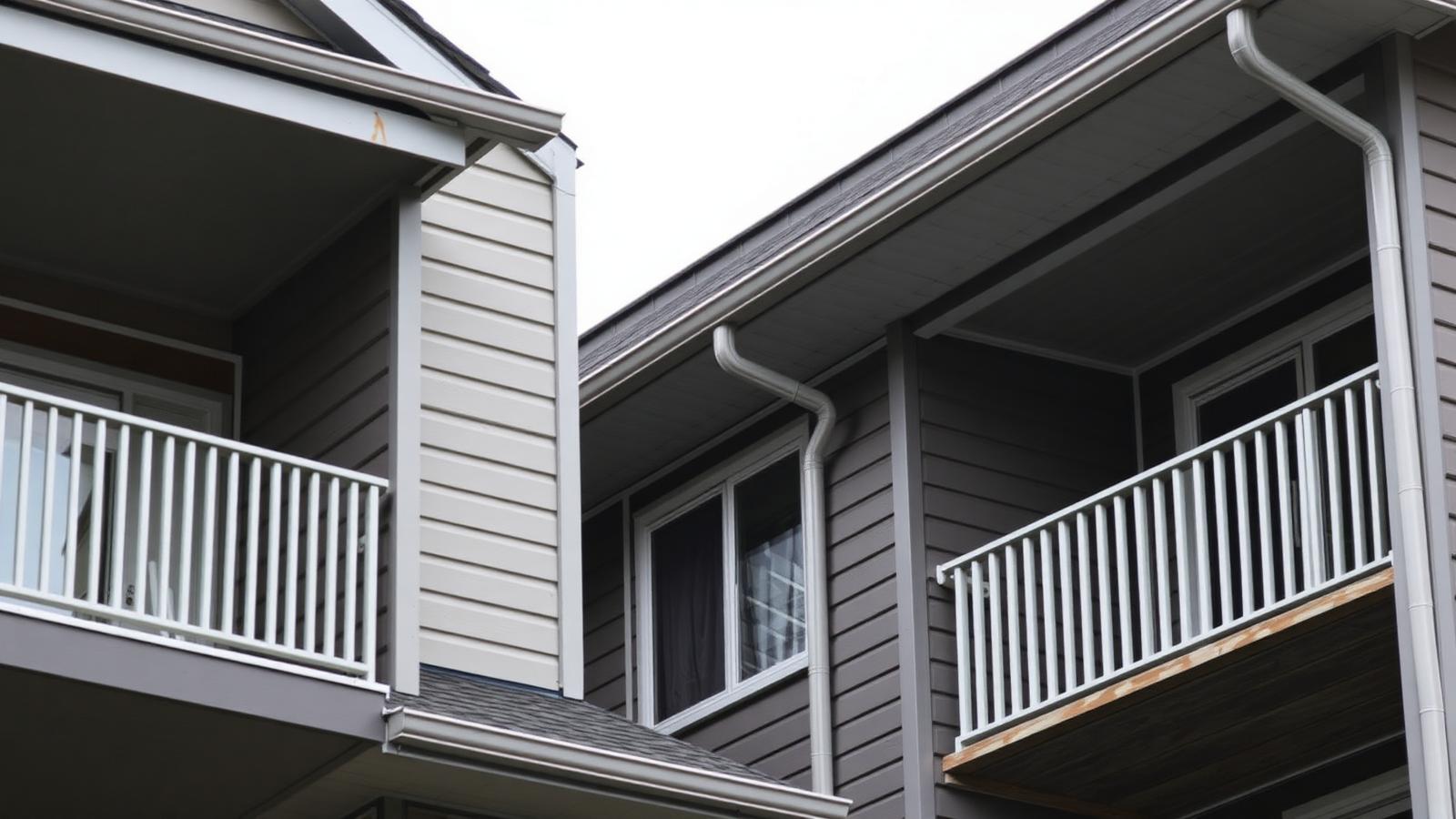
The exterior of a condominium is the first line of defense against Bellevue's changing weather conditions. Rain, moisture, seasonal temperature changes, and regular wear slowly affect building materials even when no obvious damage is visible.
Many exterior issues begin as small concerns but become expensive repairs if they remain unnoticed. Regular inspections help associations understand the actual condition of their buildings before maintenance costs increase significantly.
Roofing Problems That Develop Over Time
Roofing systems are among the most important components evaluated because they experience constant exposure to the elements. Missing shingles, damaged flashing, deteriorated sealants, clogged drainage, and aging roofing materials all contribute to water intrusion.
Flat roofs found on many condominium buildings require particular attention because standing water accelerates deterioration. Inspections also identify signs of previous repairs that may not have addressed the underlying issue.
Siding Damage and Moisture Intrusion
Bellevue's wet climate gradually weakens siding when moisture penetrates through cracks, loose panels, or deteriorated joints. Wood components may begin to rot while fiber cement or composite materials develop cracks or separation.
Improper installation or inadequate sealing around penetrations creates pathways for water infiltration. Inspectors evaluate siding, trim, caulking, and expansion joints to identify vulnerabilities before structural damage follows.
Window and Door Deficiencies
Over time, seals around windows deteriorate, allowing moisture and air leakage into the building envelope. Damaged frames, failed glazing seals, warped doors, and deteriorated weather stripping are common findings.
Water entering around window openings eventually affects surrounding framing and interior finishes. Properly functioning windows and doors also reduce heating and cooling costs while improving indoor comfort year round.
Balcony and Deck Safety Concerns
Balconies and elevated decks are exposed to weather while supporting regular occupant loads. Surface deterioration, cracked coatings, rusting metal components, loose railings, and water damage beneath walking surfaces are frequent findings.
Moisture trapped beneath waterproof membranes can weaken structural elements without becoming visible from above. Even minor deterioration deserves attention because these areas directly affect resident safety.
Foundation and Structural Exterior Indicators
Cracks in foundation walls, uneven settlement, shifting retaining walls, and movement around expansion joints may indicate underlying issues requiring further evaluation.
Drainage problems surrounding the building often contribute to foundation stress by allowing excessive moisture to accumulate near structural components. Inspectors also observe grading that may direct water toward rather than away from the building.
Drainage Problems That Lead to Costly Damage
Gutters, downspouts, drainage pipes, and site grading work together to move water safely away from the structure. Blocked gutters, disconnected downspouts, ponding water, and inadequate slopes frequently contribute to moisture-related damage.
Water that repeatedly collects near foundations can affect structural stability, crawl spaces, landscaping, and exterior finishes, and may accelerate deterioration of concrete surfaces and retaining walls.
Cracks and Deterioration in Concrete Surfaces
Sidewalks, driveways, parking areas, stairs, and walkways experience continuous use while exposed to changing weather. Expanding cracks, surface scaling, spalling, and settlement may indicate larger maintenance concerns.
Uneven walking surfaces also create safety hazards for residents and visitors. Maintaining these areas improves safety while extending the service life of the property's infrastructure.
Retaining Wall and Site Stability Issues
Many Bellevue condominium properties include retaining walls that manage elevation changes across the site. Leaning walls, visible cracking, drainage failures behind walls, and displaced materials signal potential stability concerns.
Failure can affect surrounding landscaping, walkways, parking areas, and nearby structures. Identifying problems early allows repairs before significant structural movement occurs.
Paint, Sealants, and Protective Coatings
Paint and coatings shield building materials from moisture and environmental exposure. Peeling paint, deteriorated sealants, cracked caulking, and fading finishes indicate that exterior maintenance is becoming overdue.
Sealants naturally age and require periodic replacement to maintain effective weather resistance. Proper maintenance of coatings significantly extends the lifespan of exterior components.
Why Professional Condo Inspection Services Make a Difference
Condominium buildings contain numerous interconnected exterior systems that must function together. A problem in one area often affects several other components before obvious symptoms appear.
Professional condo inspection services give associations detailed information that supports maintenance planning, reserve studies, budgeting, and repair prioritization. Request an inspection proposal to get an objective read on your buildings.