How Tacoma Condo Boards Should Schedule Condominium Inspections
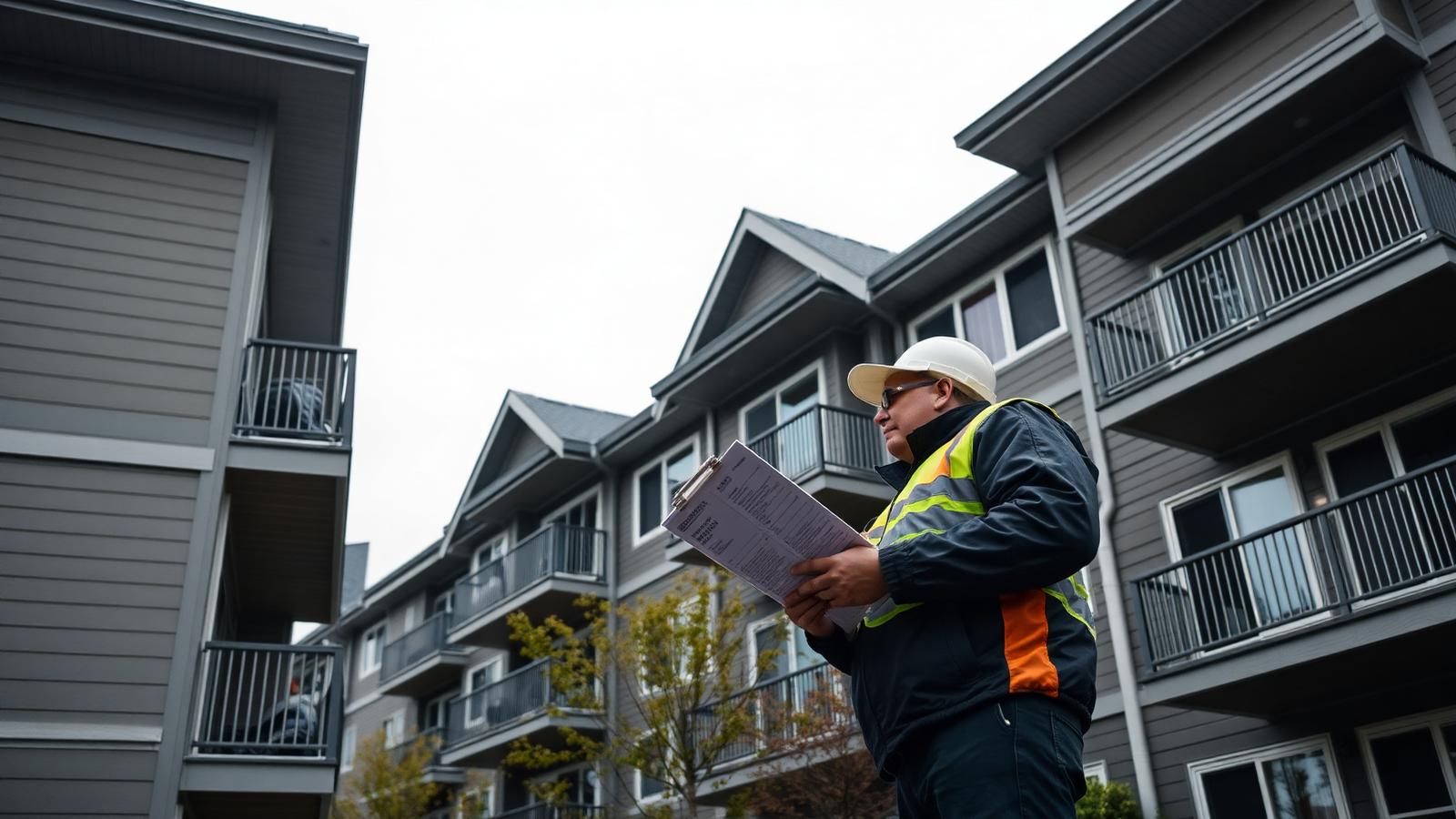
Inspections are one of the most valuable tools a Tacoma condominium board can deploy — but only when they are scheduled deliberately. Timing, sequencing, and scope determine whether an inspection produces board-ready decisions or a binder that gathers dust. This guide outlines the scheduling framework Bach Associates recommends for Tacoma condominium associations.
Start With the Governing Documents and WUCIOA
Before scheduling anything, boards should confirm what the declaration, bylaws, and WUCIOA require. Some Tacoma condominium communities are subject to inspection cadences established by statute or by their governing documents. Aligning the inspection schedule with those obligations is the first step.
Anchor the Schedule to the Reserve Study Cycle
Inspections are most valuable when they feed the reserve study. Scheduling inspections in the year before a full reserve study update ensures the study reflects current field conditions rather than assumed component condition. Boards that align these two workflows spend less on both and get better data.
Sequence Envelope, Roof, and Site Assessments Together
The building envelope, roof, and site drainage systems are interdependent. Scheduling these assessments in the same season allows the inspector to observe how water moves across the entire building, which produces more accurate recommendations than three separate visits months apart.
Use Seasonal Windows Intentionally
Pacific Northwest weather is a diagnostic tool. Wet-season inspections reveal active leaks, drainage failures, and envelope defects that are invisible in July. Dry-season inspections allow safe roof access and thermal imaging. Boards should schedule around the questions they are trying to answer.
Pre-Renovation and Pre-Sale Inspections
Any planned capital project should be preceded by a targeted inspection scoped to the work being contemplated. Boards should also plan for the reality that individual owners may request unit-level inspections tied to sales — and those requests can create scope, access, and disclosure questions that benefit from a standing policy.
Post-Storm and Incident-Driven Inspections
Windstorms, heavy snow loads, and seismic events can create damage that isn't visible from the ground. Boards should have a pre-selected inspector on standby so post-event assessments happen in days, not weeks.
Build a Multi-Year Inspection Calendar
Rather than reacting to problems, Tacoma condo boards should maintain a rolling three-to-five-year inspection calendar that coordinates statutory requirements, reserve study updates, envelope assessments, and preventive reviews. Bach Associates helps boards develop and maintain this calendar as part of a comprehensive advisory relationship.
Independence Is Non-Negotiable
Whatever the schedule, the inspector must be independent of the contractor performing any subsequent work. Boards that combine inspection and construction under a single vendor lose the objective view that inspections are supposed to provide.
Working With Bach Associates
Bach Associates provides independent inspection services to Tacoma condominium associations across roof, envelope, site, and interior common-element systems. Our reports are written for boards — with prioritized findings, cost implications, and clear recommendations that support both immediate decisions and long-term capital planning.