How Condo Inspection Services Help Vancouver Associations Detect Problems Across Shared Building Systems
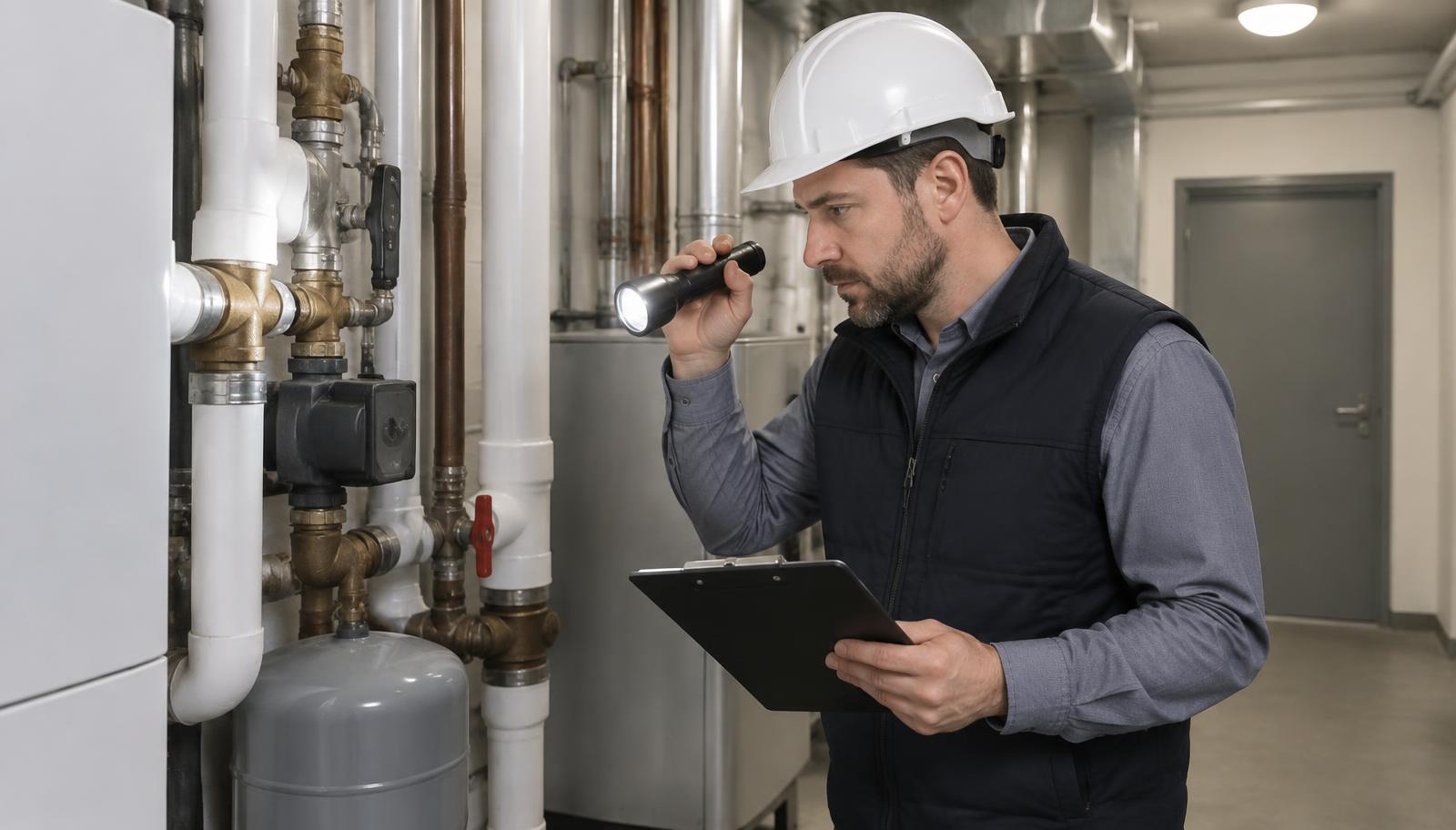
Condominium associations in Vancouver, Washington maintain buildings that depend on numerous interconnected systems functioning properly every day. A problem in one system can eventually affect dozens or hundreds of residents if it is not identified early.
Professional condo inspection services provide a structured way to evaluate the condition of common property and identify concerns before they become major financial burdens.
The Complexity of Shared Building Systems
Unlike a single-family home, a condominium property contains shared roofing, plumbing networks, electrical infrastructure, ventilation, structural components, parking facilities, and exterior elements.
A comprehensive inspection must look beyond visible defects and consider how these systems interact, so the association can make informed maintenance and capital planning decisions for the property as a whole.
Identifying Hidden Problems Early
Many of the most expensive building problems begin where residents and managers never look. Moisture develops behind cladding, plumbing leaks occur inside walls, and roofing assemblies deteriorate without immediate warning signs.
Detecting a concern early leaves more options and less disruption, and inspection findings create a documented record showing whether an issue is isolated or affecting a larger area.
Evaluating Plumbing and Water Distribution
Water is among the most significant concerns for condominium properties because plumbing extends through multiple units and common areas. A single leak can travel through floors, ceilings, walls, and mechanical spaces before becoming visible.
Inspections evaluate accessible infrastructure for deterioration, leakage, corrosion, and inadequate maintenance, and often reveal recurring patterns within specific areas of the building.
Roofing and Building Envelope Systems
The envelope is the primary barrier against rain, wind, temperature change, and moisture intrusion, and the region's wet climate raises the stakes considerably.
Small deficiencies in flashing, sealants, drainage, or exterior finishes allow moisture into the assembly, contributing to material deterioration, mold concerns, and structural damage. Inspections identify visible warning signs and areas requiring closer monitoring or further investigation.
Electrical Infrastructure and Common Area Systems
Shared electrical infrastructure powers elevators, lighting, security systems, parking facilities, mechanical equipment, and emergency systems.
As properties age, components become outdated or require maintenance to keep operating reliably. Inspections identify accessible signs of deterioration or damage and flag conditions warranting evaluation by qualified specialists.
HVAC and Ventilation Performance
Mechanical systems affect comfort, energy efficiency, indoor air quality, and moisture control, and in multi-unit properties often serve many residents at once.
Deficient ventilation contributes to condensation and excess humidity, while poorly maintained equipment operates inefficiently or fails prematurely. Inspections review accessible mechanical rooms, ventilation components, and equipment condition.
Structural Components and Common Areas
Structural concerns affect the safety, longevity, and value of the entire property. Inspectors review accessible elements for visible cracking, movement, water damage, and material deterioration.
Garages, balconies, stairwells, corridors, and amenity spaces often reveal important clues. Concrete deterioration, settlement, drainage problems, and repeated cracking patterns may indicate the need for additional investigation.
What Garage and Parking Structure Inspections Reveal
Parking structures face vehicle traffic, moisture, de-icing materials, and drainage issues that accelerate deterioration. Because they are shared structural spaces, problems there affect a significant portion of the property.
Inspections identify concrete cracking, spalling, water penetration, and deterioration around joints. Water entering a garage may also point to membrane or envelope concerns above.
Building a More Effective Preventive Maintenance Strategy
Without systematic assessment, associations rely on resident complaints and visible failures to decide where maintenance is needed — and important concerns get missed until repairs become extensive.
Inspection reports provide a foundation for prioritizing work by urgency, risk, and impact, and create continuity as board members, managers, and service providers change.
Supporting Long-Term Financial and Capital Planning
Roofing replacement, envelope remediation, plumbing upgrades, concrete restoration, and mechanical replacement all require significant investment.
Inspections document current conditions and identify systems approaching the end of their service life, which supports reserve fund planning and helps boards explain the reasoning behind capital projects to owners.
Improving Communication Among Professionals
Boards, managers, contractors, engineers, and residents all need a shared reference point. Photographs, written observations, and documented locations make discussions about specific areas far more precise.
That reduces confusion and clarifies when specialized investigation or repair work is genuinely required.
Protecting Property Value Through Early Detection
Deferred maintenance leads to visible deterioration and, eventually, costly special assessments or major remediation. Associations that understand their property's condition can address developing issues before they spread.
Bach Associates provides independent condominium inspections that feed directly into reserve planning. Request an inspection proposal for your association.