Hidden Building Defects a Professional Condominium Inspection in Bellevue Can Uncover
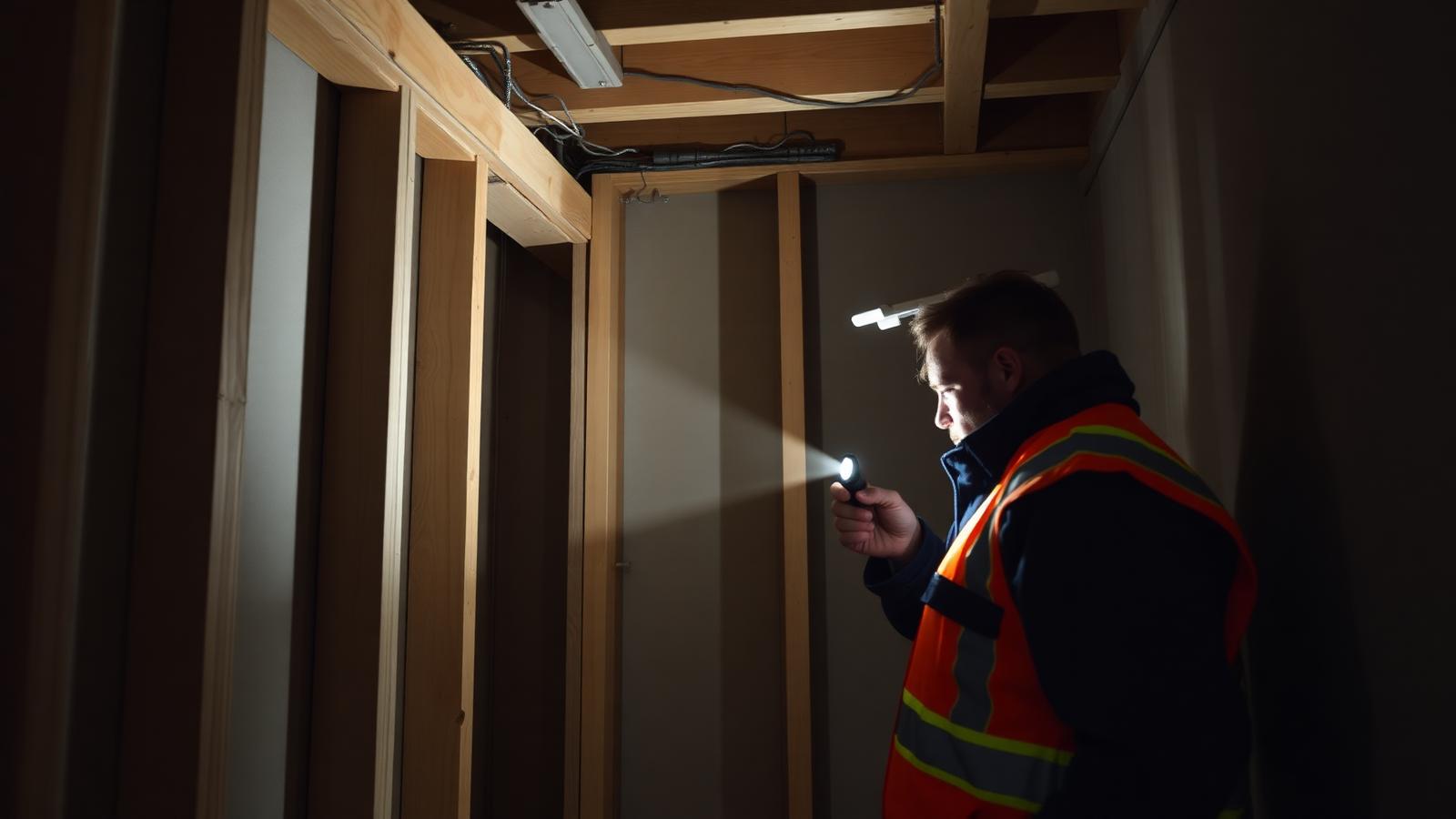
Buying or owning a condominium can seem straightforward because many visible finishes appear clean, modern, and well maintained. Unfortunately, many of the most expensive problems are hidden behind walls, above ceilings, beneath flooring, or within structural systems.
These concealed defects affect safety, long-term maintenance costs, property values, and future repair budgets. A professional condominium inspection gives owners, buyers, and associations a clearer understanding of the building's true condition.
The Value of a Thorough Condominium Inspection
A condominium inspection goes far beyond identifying cosmetic imperfections. Inspectors evaluate structural components, roofing systems, exterior walls, drainage, balconies, windows, mechanical equipment, and other elements that contribute to overall performance.
Even newer developments can contain hidden construction deficiencies that remain unnoticed for years. A comprehensive assessment provides documentation supporting maintenance planning, budgeting, reserve studies, and informed purchasing decisions.
Hidden Moisture Intrusion Behind Exterior Walls
Moisture can enter through improperly sealed windows, failed flashing, cracked siding, deteriorated sealants, or roof penetrations without producing immediate visible signs inside individual units.
Over time, trapped moisture damages framing, insulation, drywall, and structural components while encouraging mold growth. Residents often notice the problem only after staining or odors appear, by which point damage has usually progressed significantly.
Structural Deficiencies That Remain Out of Sight
Minor foundation movement, framing defects, inadequate connections, settlement, or improperly installed structural elements may remain hidden for years without obvious symptoms.
Over time these conditions contribute to uneven floors, cracking finishes, sticking doors, or more significant structural concerns. Inspectors recognize subtle indicators that suggest further structural evaluation is appropriate. Where defective original construction is suspected, our construction defect team can advise on next steps.
Roofing Problems Before Interior Damage Appears
Small defects around flashing, vents, drainage systems, skylights, or roofing materials may allow water infiltration long before residents notice stains on ceilings or walls.
Inspections evaluate roof conditions to identify aging materials, improper installations, drainage concerns, and maintenance deficiencies that could shorten the roof's lifespan and lead to widespread water damage across multiple units.
Balcony and Deck Concerns
Water infiltration, wood decay, corrosion, loose railings, deteriorated waterproofing membranes, and weakened structural connections are rarely obvious during casual observation.
Surface finishes often conceal the true condition of supporting materials underneath. Early identification allows associations to prioritize repairs before conditions worsen or create liability concerns.
Exterior Cladding and Building Envelope Defects
Siding, stucco, masonry, trim, flashing, and sealants work together to keep moisture outside while protecting structural components. Improper installation, aging materials, or deferred maintenance creates pathways for water intrusion behind finished surfaces.
Small envelope deficiencies eventually affect framing, insulation, interior finishes, and overall durability. Routine evaluations support effective maintenance planning and long-term asset preservation.
Plumbing Deficiencies Hidden Within Building Systems
Slow leaks, deteriorating supply lines, corroded drain pipes, inadequate pipe support, and aging plumbing materials gradually damage surrounding components before obvious symptoms appear.
Water damage from concealed plumbing failures often affects multiple units and common areas, increasing repair costs significantly. Inspections evaluate accessible plumbing while identifying conditions that warrant further investigation.
Electrical Issues That Could Affect Safety
Outdated components, overloaded circuits, improper wiring modifications, deteriorated panels, damaged outlets, and insufficient grounding create hidden safety concerns.
Many electrical deficiencies remain unnoticed because systems continue functioning despite underlying problems. Early detection allows qualified electricians to address deficiencies before failures or hazardous conditions develop.
Ventilation and Indoor Air Quality Problems
Poor ventilation traps excess humidity, encourages mold growth, increases condensation, and contributes to uncomfortable living conditions. Exhaust fans, attic ventilation, crawl spaces, and mechanical systems all play important roles.
Hidden ventilation deficiencies often become noticeable only after moisture damage or persistent odors affect occupied spaces. Improving ventilation protects both building materials and occupant comfort.
Foundation Drainage and Site Water Management
Improper grading, blocked drainage systems, poorly functioning gutters, clogged downspouts, or inadequate surface water management direct water toward foundations instead of away from them.
Over time, excessive moisture around the building contributes to settlement, foundation movement, crawl space moisture, and structural deterioration. Proper water management remains one of the most important factors in building longevity.
How Professional Inspections Support Reserve Planning
Accurate reserve planning depends on understanding current component condition rather than relying solely on estimated service lives. Hidden defects significantly influence future repair schedules and replacement costs when they remain undiscovered.
At Bach Associates, our experienced team performs detailed condominium inspections that help buyers, owners, and associations identify hidden defects with confidence. Request an inspection proposal to get started.