The Hidden Timeline of a Tacoma Building: What Inspectors Can Reveal About Its Past
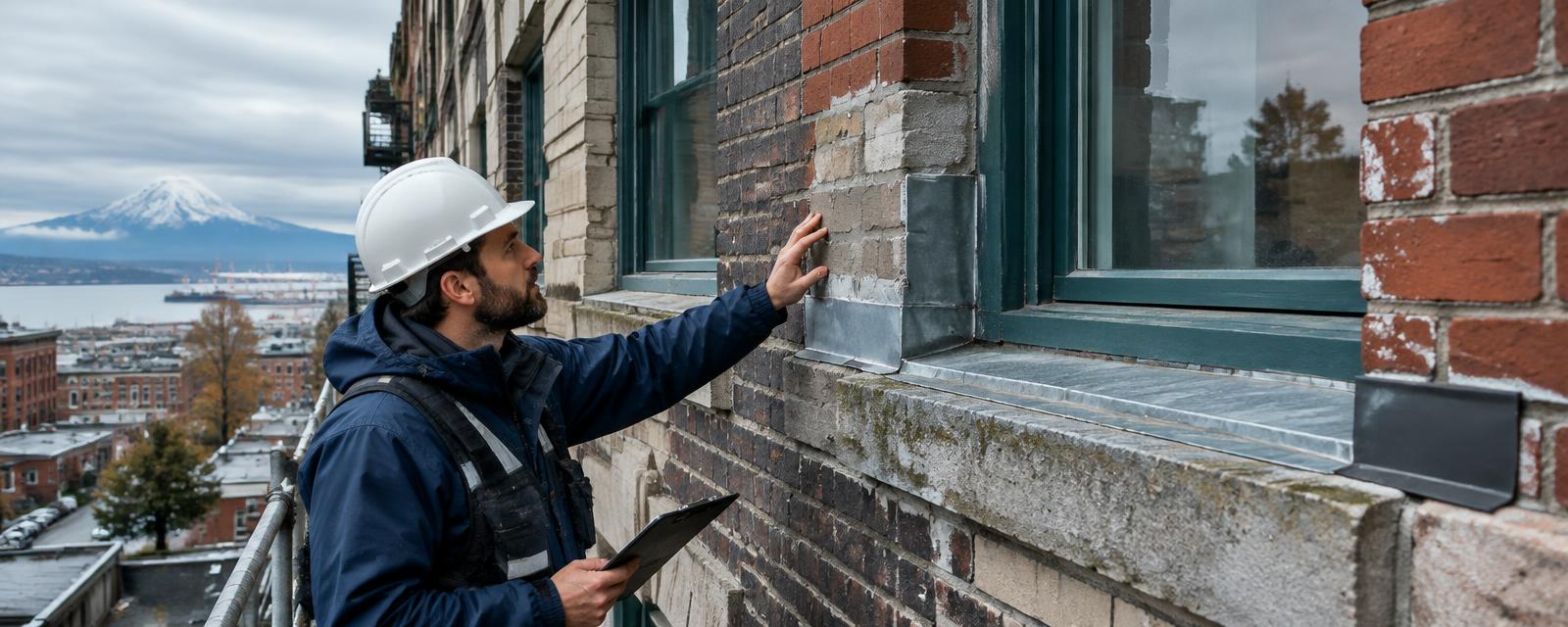
Every Tacoma building carries a story that extends far beyond its current appearance, floor plan, or exterior finishes. Over the years, properties experience renovations, repairs, weather exposure, changes in occupancy, and alterations that may not always be clearly documented. Some of these changes can remain hidden behind walls, ceilings, flooring, mechanical systems, and newer construction materials. When we inspect a property carefully, we can often identify physical clues that help establish what has happened to the building over time. These observations can provide valuable context for owners, buyers, investors, and property managers who need to understand the condition and history of an asset. At Bach Associates, we approach building inspections as an opportunity to understand not only what exists today but also what the property may have experienced throughout its useful life.
Reading the Evidence Left Behind by Previous Work
Renovations often leave subtle evidence even when there are no complete records describing the work. Differences in materials, changes in framing, unusual connections, patched surfaces, discontinued components, and inconsistent finishes can indicate that portions of a building were modified at different times. An inspector may recognize where an original system appears to have been replaced, where an opening was previously located, or where a newer assembly was installed alongside older construction. These details can help establish a sequence of changes and identify areas that deserve closer attention. A building does not necessarily reveal its entire history through documents because maintenance and improvement work may have occurred under different owners or contractors. By comparing visible conditions throughout the property, we can develop a more informed understanding of how individual components fit into the building's broader timeline.
Understanding the Layers of a Tacoma Property
Many older buildings contain several generations of construction materials within the same structure. A roof may have been repaired multiple times, electrical equipment may have been upgraded while older wiring remains elsewhere, and plumbing components may represent different periods of installation. Interior finishes can also provide clues because new walls, ceilings, flooring, and cabinetry are often installed over or around earlier construction. These layers are particularly important when evaluating properties that have undergone extensive remodeling or changes in use. We look for relationships between materials and systems because those relationships can help distinguish original construction from later modifications. Understanding these layers gives property stakeholders a clearer picture of which portions may be relatively new and which areas may have been serving the building for decades.
Signs of Previous Water Intrusion
Water can leave some of the most revealing evidence of a building's past. Staining, discoloration, deteriorated materials, corrosion, patched drywall, damaged framing, and changes in finish materials may indicate previous moisture exposure even when an active leak is no longer present. In Tacoma, where buildings experience significant seasonal moisture, understanding previous water intrusion can be particularly important for evaluating roofs, exterior walls, windows, drainage systems, and below-grade areas. A repaired surface does not necessarily tell us whether the underlying source was properly addressed or whether the problem occurred once or repeatedly. During an inspection, we consider the relationship between visible damage, building assemblies, drainage patterns, and current moisture conditions. This can help property owners distinguish between an isolated historical issue and evidence suggesting a recurring building envelope concern.
What Mechanical Systems Can Tell Us
Heating, ventilation, and other mechanical systems can reveal another important chapter in a property's history. Equipment often carries manufacturer information, model details, installation characteristics, and physical wear that can help establish its approximate age or replacement period. Differences between equipment in separate areas may indicate that systems were upgraded incrementally rather than replaced as part of one comprehensive project. Ductwork, controls, piping, insulation, and equipment connections can also reveal whether a system has been substantially modified. We examine these components as part of the larger building system because mechanical changes can sometimes correspond with renovations, changes in occupancy, or attempts to improve performance. This information can help owners anticipate future capital needs and understand why different portions of a building may perform differently.
Electrical and Plumbing Changes Leave Their Own Clues
Electrical and plumbing systems frequently undergo changes that are not immediately visible to someone walking through a finished building. Newer panels, altered circuits, replacement fixtures, abandoned piping, patched penetrations, and different generations of components can indicate that upgrades have occurred at various points in the property's history. These changes may have been associated with tenant improvements, remodeling projects, changes in building use, or efforts to address aging infrastructure. Older components located alongside newer installations can be particularly informative because they may show which systems have been partially upgraded and which portions remain from earlier construction. We evaluate accessible components and note conditions that may warrant further investigation by appropriately qualified specialists. By connecting these observations with other evidence throughout the property, we can help create a more complete picture of how the building's infrastructure has evolved.
Structural Modifications Can Reveal Major Chapters
Changes to structural elements can represent some of the most significant events in a building's history. Altered walls, modified openings, added supports, repaired framing, reinforced connections, and changes around stairs or roof structures may indicate previous construction or remodeling activities. These modifications can sometimes be identified through differences in materials, fasteners, finishes, framing configurations, or connections between old and new components. Understanding these changes matters because structural modifications may affect load paths, building performance, and future renovation possibilities. We carefully observe accessible structural conditions and consider whether apparent alterations are consistent with the surrounding construction. When conditions suggest that additional engineering analysis is appropriate, recognizing that need early can help prevent costly surprises later in a property's ownership cycle.
Previous Repairs Are Part of the Property Story
Repairs are not necessarily negative indicators because responsible maintenance is an essential part of keeping a building functional and safe. However, the nature and location of repairs can provide useful information about recurring problems, previous damage, or areas that have required attention. Freshly finished surfaces may conceal older deterioration, while repeated patches in the same area can suggest that an underlying issue has persisted. We look for patterns rather than treating individual repairs as isolated observations. When several repaired areas relate to the same roof section, exterior wall, plumbing route, or mechanical system, the combined evidence can provide a stronger indication of the property's maintenance history. This approach helps owners understand not only what has been repaired but also whether the available evidence suggests that additional investigation may be warranted.
Comparing Age, Condition, and Remaining Service Life
A building's age alone does not determine its condition or remaining useful life. Two properties constructed during the same period can have very different histories because maintenance practices, environmental exposure, renovation quality, occupancy, and system replacements can vary considerably. During an inspection, we consider the apparent age of individual components alongside their observed condition and the surrounding building systems. A relatively old component that has been properly maintained may perform better than a newer component that has experienced poor installation or inadequate maintenance. This distinction is important when planning repairs, replacements, and long-term capital expenditures. Our inspection findings can help property stakeholders think beyond a single construction date and instead consider the different timelines of the building's major components.
The Importance of Documentation and Physical Evidence
Inspection findings become more useful when physical observations can be compared with available property records. Previous inspection reports, permits, renovation documents, maintenance records, invoices, drawings, and photographs can provide additional context for changes identified during an inspection. When records and physical conditions agree, confidence in the property's documented history can increase. When they differ, the discrepancy itself may be worth investigating because undocumented work or incomplete records can affect future planning. We use the physical condition of the property as an important source of evidence while recognizing that an inspection cannot reconstruct every event that has occurred since construction. The strongest understanding usually comes from combining available documentation with careful observation of the building itself.
What an Inspection Can Reveal About Future Decisions
Understanding a property's past is valuable because historical conditions can influence present and future decisions. A building with multiple generations of repairs may require a different capital planning strategy from a property that has recently undergone comprehensive system replacement. Previous moisture issues may influence how an owner approaches the building envelope, while aging mechanical or electrical infrastructure may affect future renovation budgets. Structural modifications may also become important when considering additions, changes in occupancy, or major interior alterations. We help property stakeholders identify observable conditions and relationships that can inform these decisions without treating an inspection as a substitute for specialized engineering or destructive investigation when those services are required. The objective is to turn physical evidence into useful information that supports responsible property management and investment decisions.
Looking Beyond What Is Immediately Visible
A building inspection is more than a visual walk-through of rooms and finishes because many of the most useful clues are found in relationships between different components. A patched wall may connect to an old plumbing route, a roof repair may correspond with interior staining, or a newer mechanical system may explain alterations elsewhere in the property. Individually, these observations may appear insignificant, but together they can help reveal a sequence of construction, repair, replacement, and maintenance events. We consider these connections when assessing accessible portions of a building and documenting conditions that may require additional attention. This perspective is especially useful for properties with long ownership histories or multiple renovation phases. Looking beyond the obvious can help stakeholders better understand what they are actually acquiring, maintaining, or planning to renovate.
Building a Better Understanding of Your Tacoma Property
Every property has a timeline, even when that timeline is incomplete or difficult to document. Construction materials, repairs, system replacements, alterations, moisture evidence, and structural changes can provide valuable clues about the events that shaped a building over the years. A professional inspection can bring these clues together and help property owners understand current conditions in the context of the building's broader history. At Bach Associates, we use careful observation and professional inspection practices to help our clients make better-informed decisions about their properties. Knowing what changed, what remains, and where uncertainty exists can make future maintenance and investment planning more deliberate. The hidden timeline of a Tacoma building may never be reconstructed perfectly, but a thorough inspection can reveal far more about its past than a simple glance at its present condition.
Need Professional Guidance?
Bach Associates provides expert reserve study and construction management services for Washington associations.