How Reserve Study Companies Evaluate Aging Common Areas in Large HOA Communities
Understanding the Role of Aging Common Areas
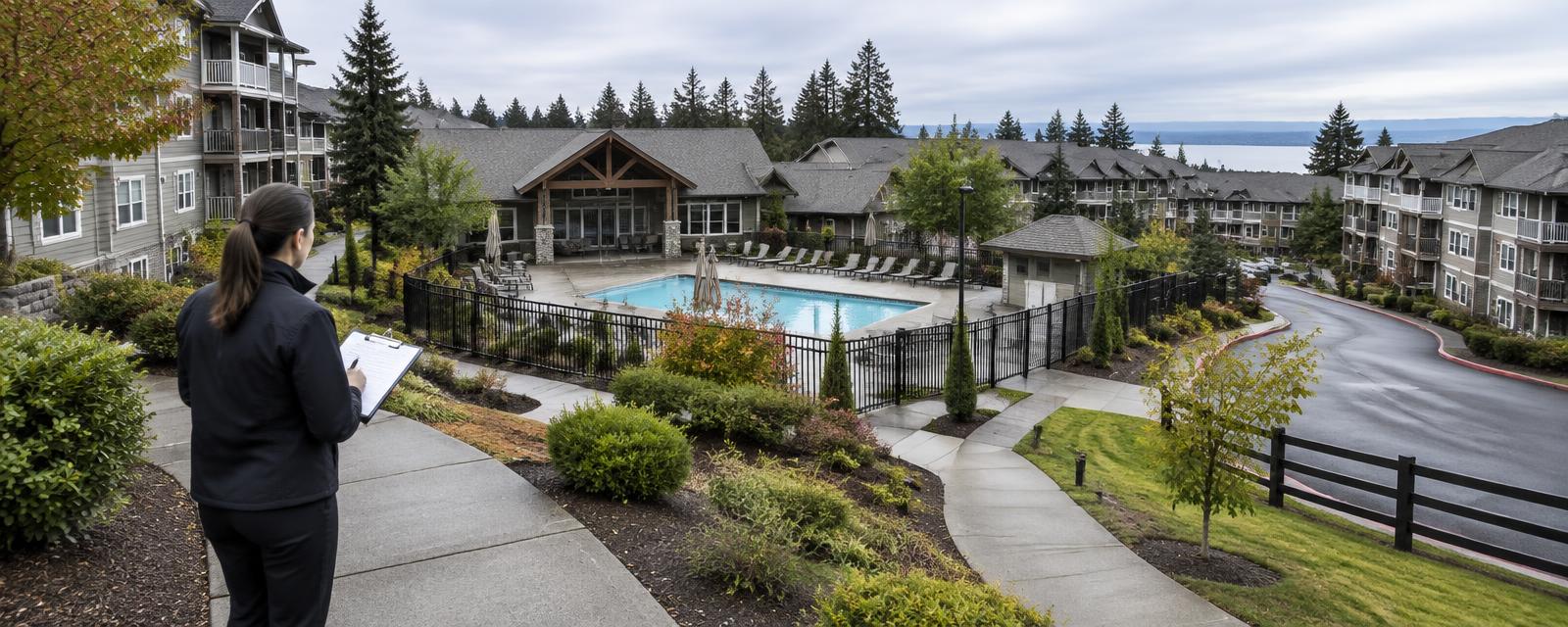
Aging common areas can become one of the most significant financial and operational concerns for large HOA communities. Shared roofs, parking areas, sidewalks, pools, clubhouses, elevators, fences, and recreational facilities experience continuous wear throughout their service lives. Our reserve study process begins by identifying these shared assets and understanding how their age and condition may affect future repair or replacement requirements. We examine both visible deterioration and the expected remaining useful life of major components. This approach helps community associations understand which assets may require attention soon and which can reasonably remain in service for several more years. A detailed evaluation also provides the foundation for developing a practical long term reserve funding strategy.
Creating a Complete Common Area Inventory
The first stage of evaluating aging common areas involves creating a comprehensive inventory of the community's major components. Large HOA developments can contain hundreds of individual assets distributed across buildings, recreational spaces, parking facilities, landscaped areas, and infrastructure systems. We document components such as roofing systems, exterior surfaces, pavement, drainage features, lighting, swimming pools, mechanical equipment, gates, fencing, and recreational structures. Each component is considered according to its function, age, material, installation history, and anticipated service life. Accurate inventory information is particularly important because overlooking a major component can create an unexpected financial obligation for the association. A well organized inventory allows reserve planning to reflect the actual physical characteristics of the community rather than relying on generalized assumptions.
Inspecting Physical Condition
Physical inspection is central to determining how aging common areas are performing. Our professionals examine accessible components for deterioration, damage, deferred maintenance, recurring problems, and signs that a system may be approaching the end of its useful life. For example, a roof may show membrane deterioration, ponding water, flashing problems, or localized damage that could influence its remaining service period. Concrete surfaces may be evaluated for cracking, settlement, spalling, surface wear, and drainage concerns. The objective is not simply to identify visible defects but to understand how existing conditions may influence future capital expenditures. Inspection findings are then incorporated into the reserve analysis to establish realistic expectations for upcoming repairs and replacements.
Evaluating Remaining Useful Life
Every major common area component has a useful life that can vary depending on materials, installation quality, environmental exposure, maintenance, and usage. Reserve study professionals estimate remaining useful life by comparing the component's current condition with expected industry service ranges and available community records. A component that is twenty years old may not necessarily require immediate replacement if it has been well maintained and remains in satisfactory condition. Conversely, a relatively newer component may require earlier attention if it has experienced unusual deterioration or inadequate maintenance. We consider these variables when determining the probable timing of future capital projects. This helps the association avoid both premature replacement assumptions and overly optimistic projections that could leave future budgets underfunded.
Reviewing Maintenance History
Maintenance records provide valuable context when evaluating aging common areas. Large communities may have years of information covering roof repairs, pavement treatments, pool equipment servicing, painting projects, mechanical replacements, and other capital improvements. We review available documentation to determine whether components have received routine maintenance and whether previous repairs have extended their expected service lives. Recurring repairs can also indicate that a component is becoming increasingly expensive or inefficient to maintain. Historical information can therefore influence both the condition assessment and the projected replacement schedule. When reliable maintenance records are unavailable, our evaluation may place greater emphasis on physical observations, age, component characteristics, and other available evidence.
Considering Community Size and Usage
Large HOA communities present unique challenges because common areas can experience different levels of use and deterioration. A clubhouse serving several hundred residents may experience substantially more wear than a similar facility serving a smaller community. Parking surfaces, recreational amenities, elevators, gates, and shared mechanical systems may also experience heavy usage that affects their service lives. We consider the scale and intensity of use when evaluating the condition and future needs of these assets. Geographic conditions, weather exposure, drainage, landscaping, and local environmental factors can further influence deterioration rates. Incorporating these variables helps create a reserve plan that reflects the community's actual operating environment.
Assessing Deferred Maintenance
Deferred maintenance can significantly change the financial outlook for an aging common area. Minor deterioration that is ignored for several years may develop into a larger repair requirement that requires substantial association funding. During an evaluation, we look for conditions that suggest routine maintenance has been postponed or that previous recommendations have not been addressed. Examples can include deteriorating coatings, damaged pavement, aging pool finishes, roof drainage problems, failing sealants, or worn exterior materials. Identifying these conditions allows the association to distinguish between routine maintenance responsibilities and larger reserve funded capital projects. This distinction is essential because reserve funding should not be treated as a substitute for ongoing maintenance.
Estimating Future Repair and Replacement Costs
Condition assessments are only one part of a comprehensive reserve evaluation because the association also needs realistic cost projections. We estimate the future cost of repairing or replacing major common area components using current information about component size, material requirements, labor, access, project complexity, and regional construction conditions. Inflation and projected cost increases are also considered when determining the amount that may be needed in future years. For large communities, even modest differences in estimated unit costs can produce substantial changes in total reserve requirements. Cost assumptions should therefore be reviewed carefully and updated when significant market conditions or project circumstances change. A realistic cost model gives board members a clearer understanding of the financial resources that may be required as aging assets reach critical milestones.
Prioritizing Capital Projects
Not every aging component requires immediate action, which makes prioritization an important part of reserve planning. We consider condition, remaining useful life, safety considerations, operational importance, and projected replacement timing when organizing future capital expenditures. Components approaching the end of their useful lives may receive greater attention than assets that are expected to remain serviceable for many years. Projects that could affect resident access or community operations may also require careful scheduling. This prioritization helps associations coordinate projects with available reserve funding and anticipated annual contributions. The resulting schedule provides a structured framework for addressing aging common areas without treating every component as an immediate financial obligation.
Developing a Long Term Funding Strategy
Once the physical assessment and cost projections are complete, the information can be incorporated into a long term reserve funding model. The model considers existing reserve balances, expected expenditures, projected contributions, component replacement schedules, and future financial requirements. Our analysis helps associations understand whether their current funding approach is reasonably aligned with the anticipated needs of their common areas. Different funding scenarios can also demonstrate how contribution changes may affect future reserve balances and project readiness. The purpose is to give the association useful information for making informed budgeting decisions rather than simply producing a list of aging assets. A forward looking funding strategy can reduce the risk of unexpected assessments and improve financial preparedness for major capital projects.
Accounting for Phased Community Development
Many large HOA communities were developed in multiple phases, meaning that similar assets may have different installation dates. Buildings, roofs, recreational facilities, roads, landscaping systems, and other common elements may therefore reach major repair milestones at different times. We account for these variations when developing component schedules and estimating future expenditures. A community with several construction phases may experience multiple overlapping replacement cycles rather than one single period of major capital spending. Recognizing these differences can help the association plan for periods when several significant projects may occur within the same decade. This level of analysis becomes particularly valuable when a community contains older and newer sections operating under the same association.
Updating the Reserve Study Over Time
A reserve study should not be viewed as a permanent document because common area conditions and financial assumptions change over time. New inspections may reveal deterioration that was not previously present, while completed projects can remove or modify components from the reserve schedule. Construction costs, inflation, maintenance practices, reserve balances, and contribution levels can also change the association's financial outlook. We recommend reviewing reserve planning periodically so the information remains aligned with the community's current physical and financial conditions. Regular updates can also help board members identify emerging capital needs before they become urgent projects. Maintaining current reserve information allows the association to respond more effectively as its common areas continue to age.
Helping HOAs Prepare for Aging Assets
Aging common areas require coordinated physical evaluation, financial planning, and ongoing monitoring to protect the long term interests of an HOA community. Our reserve study approach connects the condition of major shared assets with realistic estimates for their future repair and replacement requirements. Bach Associates evaluates the information needed to help boards understand when significant expenditures may occur and how those expenditures can influence reserve funding decisions. The resulting analysis can provide greater visibility into the community's capital needs while supporting more structured financial planning. For large associations, this preparation can be particularly valuable because numerous aging components may require attention across different time periods. By evaluating common areas systematically, communities can build a more informed approach to maintaining shared assets and preparing for future capital expenses.
Need Professional Guidance?
Bach Associates provides expert reserve study and construction management services for Washington associations.