How Inspection Reports Can Strengthen the Documentation Behind Vancouver HOA Insurance Claims
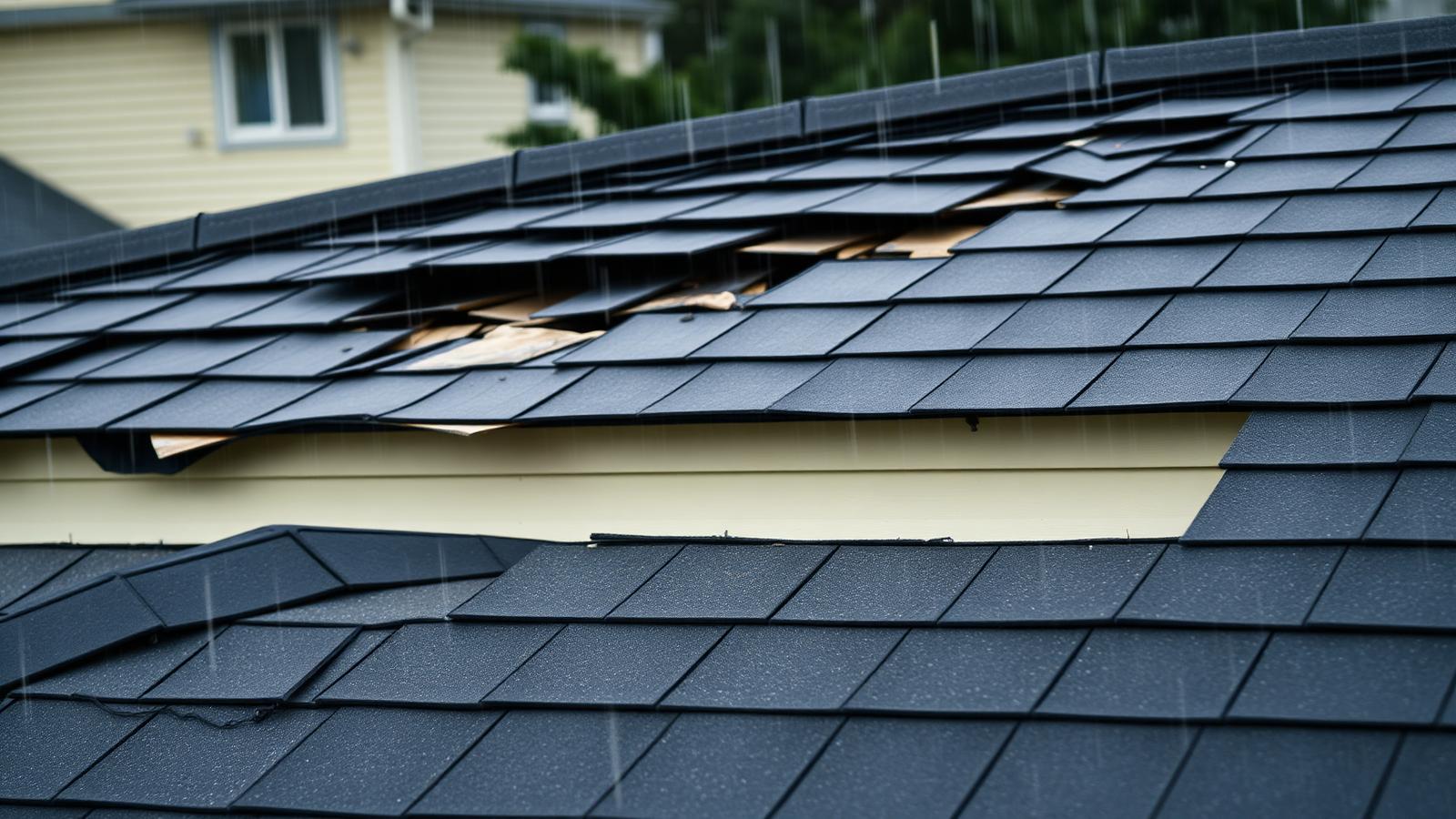
When a Vancouver homeowners association faces property damage, the quality of its documentation can significantly influence how efficiently a claim is evaluated. HOA properties involve shared roofs, exterior walls, mechanical systems, common areas, and parking structures, which makes damage assessment more complicated than it first appears.
Carriers generally need clear evidence showing what happened, where, when, and what repairs may be required. An inspection report brings those details together in a structured format that gives decision makers a clearer understanding of property condition.
Establishing a Clear Record of Property Conditions
Photographs alone may show that something is damaged without explaining location, severity, probable cause, or the relationship between separate areas of deterioration. A detailed inspection connects visual evidence with written observations, measurements, building components, and relevant site conditions.
That combination creates a comprehensive record of what was actually observed, organized so it remains useful throughout the claim process.
Documenting the Location and Extent of Damage
Claims involving condominium and HOA properties can span multiple units and common elements. A report can identify affected elevations, roofing areas, balconies, corridors, mechanical spaces, garages, and stairwells, and distinguish isolated damage from conditions appearing across a larger portion of the building.
Precise location information also lets adjusters, contractors, property managers, and board members refer to the same areas when discussing the claim.
Connecting Physical Evidence With the Reported Loss
Documentation should help explain how observed conditions relate to the reported incident wherever the available evidence supports that connection. Findings can address water intrusion, storm-related damage, impact damage, deterioration, or material failure.
An inspection report should not reach conclusions about insurance coverage, but it can provide factual observations that allow qualified claim professionals to evaluate the circumstances more effectively.
Creating Better Photographic Evidence
A collection of images without locations, descriptions, or context is difficult for anyone who was not present to interpret. Reports place photographs alongside written observations that identify the relevant component and describe the visible condition.
Wider photographs establish location while closer images document specific defects. Treated as part of a broader record rather than standalone evidence, photography creates a coherent visual history for claim review and repair planning.
Distinguishing Damage From Pre-Existing Conditions
Determining whether a condition is associated with a recent event or predates the loss is one of the hardest questions in property claims, especially in older Vancouver buildings where normal aging, deferred maintenance, weather exposure, and previous repairs coexist with new damage.
A professional inspection documents those conditions separately and identifies visible deterioration, prior repairs, and damage patterns that need to be considered during evaluation. That differentiation reduces the risk of broad descriptions that leave room for misunderstanding.
Supporting the Board and Property Manager
Boards and managers coordinate repairs and communicate with insurance representatives while managing the interests of many owners. Without organized documentation, important details become difficult to track as inspections, estimates, correspondence, and repairs progress.
An inspection report gives the association a defined reference point that can be shared with the appropriate professionals, and makes technical observations easier for non-technical decision makers to discuss.
Improving Communication With Adjusters
Adjusters review photographs, statements, repair estimates, maintenance records, contractor information, and prior documentation before reaching conclusions. A professional report organizes physical observations so the adjuster has a clear technical reference.
Instead of relying on verbal description, the association provides a written record supported by photographs and location-specific observations that another professional can follow independently.
Providing a Technical Reference for Repair Estimates
Contractors need to understand which components are affected and what conditions must be addressed before developing an appropriate scope of work. An inspection report identifies observable areas of concern and supplies photographs that clarify documented conditions.
This does not replace a contractor's estimate, but it gives the association an independent reference for comparing observed conditions against proposed repair scopes.
Strengthening the Claim File Over Time
Claims can extend over weeks or months, and conditions change through temporary repairs, weather exposure, remediation, or ongoing deterioration. An inspection report creates a dated record of what was observed at a specific point in time.
That record becomes especially valuable if questions later arise about the original extent or appearance of the reported damage.
Documenting Common Areas and Shared Components
Responsibility may extend across common elements and privately occupied spaces. Roof assemblies, exterior cladding, balconies, foundations, drainage systems, garages, elevators, and mechanical areas can involve shared ownership depending on governing documents and applicable policies.
Documenting these areas independently gives the association a more comprehensive record than focusing only on the most obvious damage.
Identifying Concerns That Need Further Investigation
Water intrusion, concealed moisture, damaged assemblies, and structural concerns behind finishes may require additional testing or specialized investigation. A report can document visible indicators that warrant further evaluation without overstating what visual observation can determine.
Separating observed facts from recommendations for further investigation preserves credibility while ensuring potentially important concerns are not overlooked.
Preparing Documentation Before Repairs Begin
Once significant damage is identified there is often pressure to begin repairs immediately. Documentation should be handled carefully before damaged materials are removed, except where immediate action is necessary to protect people or prevent further damage.
An inspection performed at an appropriate stage preserves evidence that may no longer be visible after demolition, drying, replacement, or restoration. Bach Associates provides independent inspection documentation that supports both insurance claim files and long-term reserve planning. Request an inspection proposal to document conditions before repairs begin.