How Tacoma Building Inspection Companies Evaluate Structural Safety After Severe Weather
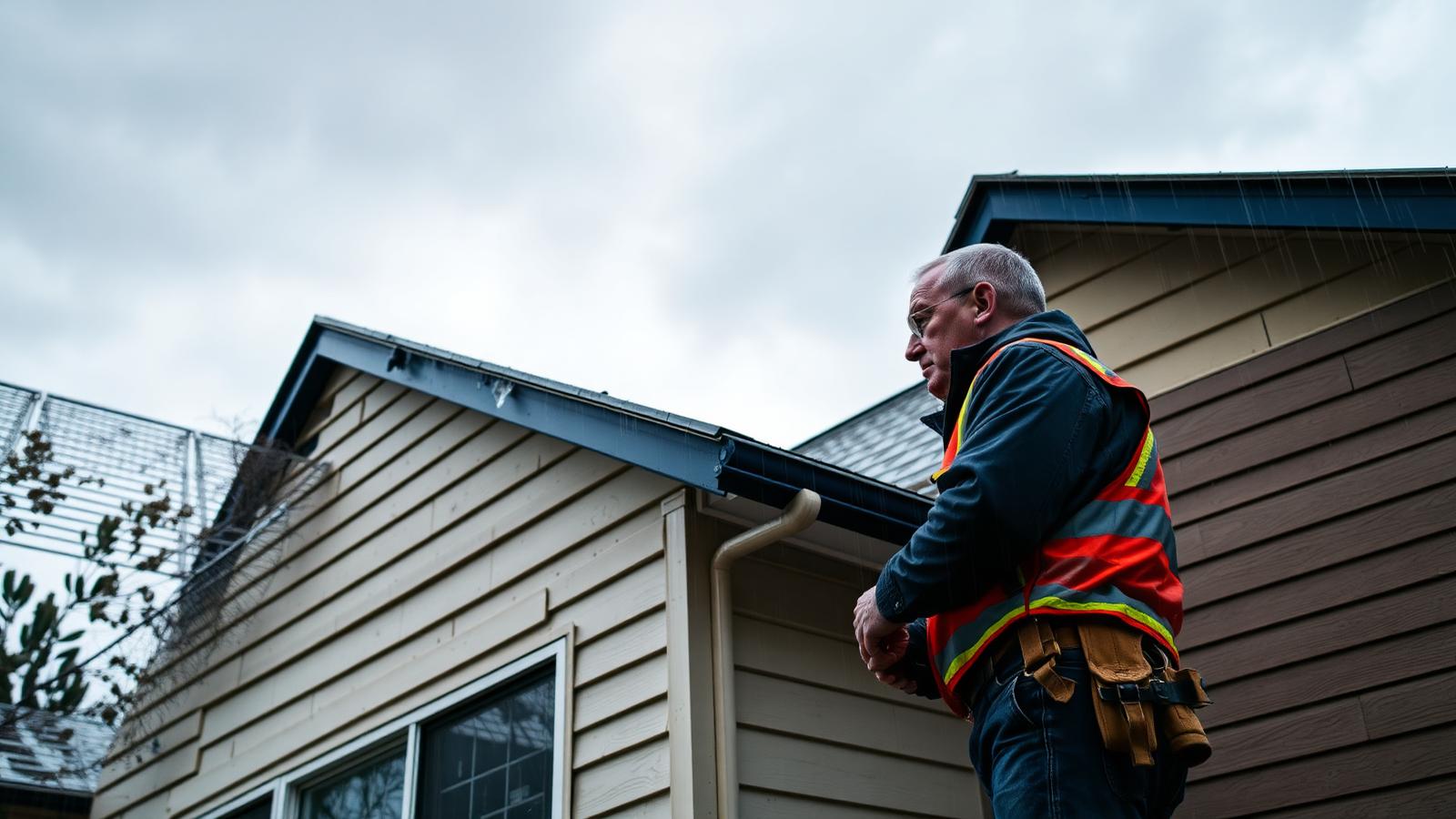
Severe weather can leave behind damage that is not always obvious at first glance. Heavy rain, windstorms, snow loads, flooding, and falling debris can weaken structural components without producing visible signs from the ground.
Property owners often assume that if a building remains standing, it is still safe to occupy. Unfortunately, hidden structural issues may continue to worsen over time, leading to expensive repairs or even dangerous failures. At Bach Associates, our inspections focus on understanding how weather events affect the overall stability, safety, and long-term performance of residential, commercial, and industrial structures.
Understanding How Severe Weather Affects Buildings
Different weather events create different types of structural stress. Strong winds can loosen roof framing, damage exterior walls, and shift structural connections. Heavy rainfall may weaken soil beneath foundations, causing settlement or movement that affects the entire building.
Snow accumulation places significant weight on roofs, increasing the risk of sagging or structural overload. Floodwater can damage load-bearing materials, reduce the strength of wood framing, and accelerate corrosion in steel components. We evaluate every structure based on the specific weather conditions it has experienced, because each event leaves behind its own pattern of concerns.
Beginning With a Comprehensive Exterior Assessment
The inspection process usually begins with a detailed examination of the building exterior. Inspectors evaluate the roof, siding, windows, masonry, chimneys, drainage systems, and foundation for signs of weather-related damage.
Visible cracks, displaced materials, missing fasteners, and water intrusion often provide valuable clues about underlying structural movement. Exterior grading and surrounding landscaping are also reviewed because improper drainage frequently contributes to foundation problems after heavy storms.
Examining the Foundation for Movement and Settlement
A building depends on a stable foundation to distribute loads safely. After severe weather, inspectors check for evidence of settlement, shifting, erosion, or soil movement around the foundation. Even minor changes beneath the structure can create significant stress throughout walls, floors, and roof systems.
Cracks are evaluated based on their size, direction, and location to determine whether they indicate normal aging or active structural movement. Moisture penetration is also considered because prolonged exposure to water can weaken concrete and accelerate deterioration.
Evaluating Roof Systems and Structural Framing
Roof systems experience some of the greatest stress during storms. High winds may loosen framing connections, while snow and ice create additional vertical loads that challenge structural capacity.
Inspectors examine rafters, trusses, beams, roof decking, and supporting members for deflection, cracking, moisture damage, or signs of overstressing. Water infiltration is particularly important because prolonged moisture exposure reduces the strength of structural wood while encouraging decay and mold growth.
Inspecting Interior Structural Components
The interior inspection provides important evidence that may not be visible outside the building. Inspectors evaluate walls, ceilings, floors, support columns, beams, and load-bearing partitions for signs of movement or damage.
Uneven flooring, sticking doors, cracked drywall, and ceiling separation often indicate that structural components have shifted following severe weather. Mechanical systems may also reveal indirect evidence of building movement when piping, ductwork, or utility connections become misaligned.
Identifying Hidden Moisture and Water Damage
Water intrusion remains one of the most damaging consequences of severe weather because it often continues affecting a building long after the storm has ended. Moisture trapped inside walls, crawl spaces, attics, and structural framing can gradually weaken materials while encouraging biological growth.
Inspectors look for staining, discoloration, wood deterioration, insulation damage, and areas where water has penetrated protective barriers. Addressing hidden moisture early often prevents much larger structural problems and significantly reduces future repair costs.
Assessing Load-Bearing Capacity After Damage
One of the most important responsibilities of a building inspection company is determining whether structural elements continue to perform their intended function after severe weather. Damage does not always mean immediate failure, but weakened members may no longer provide adequate safety margins.
Inspectors evaluate beams, columns, walls, roof framing, and foundation components to determine whether they remain capable of supporting expected loads. We focus not only on current safety but also on identifying conditions that could compromise reliability over time if corrective action is delayed.
Providing Clear Documentation and Professional Recommendations
Following the inspection, property owners receive detailed documentation explaining observed conditions, structural concerns, and recommended actions. Reports typically include photographs, descriptions of damaged components, and professional opinions regarding repair priorities.
Some conditions may require routine maintenance, while others demand immediate structural repairs or additional engineering evaluation. Clear reporting allows homeowners, property managers, insurance providers, and contractors to understand the severity of identified issues. Where an insurance claim is involved, our claims assistance team can help document losses.
Protecting Property Through Timely Structural Evaluations
Post-storm inspections play an essential role in protecting both people and property from hidden structural hazards. Weather events can create damage that develops gradually, making early evaluation far more effective than waiting for visible deterioration to appear.
Comprehensive building inspections help identify weaknesses, prioritize repairs, and extend the service life of buildings by addressing problems before they escalate. Bach Associates is committed to delivering thorough structural evaluations that give property owners confidence in the safety and integrity of their buildings.